The award was established by His Highness the Aga Khan in 1977 to identify and encourage building concepts that successfully addressed the needs and aspirations of communities in which Muslims have a significant presence.

Aga Khan Institutions
The award was established by His Highness the Aga Khan in 1977 to identify and encourage building concepts that successfully addressed the needs and aspirations of communities in which Muslims have a significant presence.

The winners of the Aga Khan Award for Architecture were announced today in a ceremony in Abu Dhabi. The venue for the winners’ ceremony, the Al Jahili fort in Al-Ain, was also announced

Being Parviz Tanavoli: a note by Zainub Verjee In November 2015, I was invited to…

Research by Aga Khan University, Germany’s GIZ set to boost Pakistan’s leading export industry: Ninety…

Aga Khan Park: The night is still young! Enjoy “Sparks” and “CharBagh” at the #AgaKhanPark until sunrise! #NuitBlanche #nbTO #SensoryCity
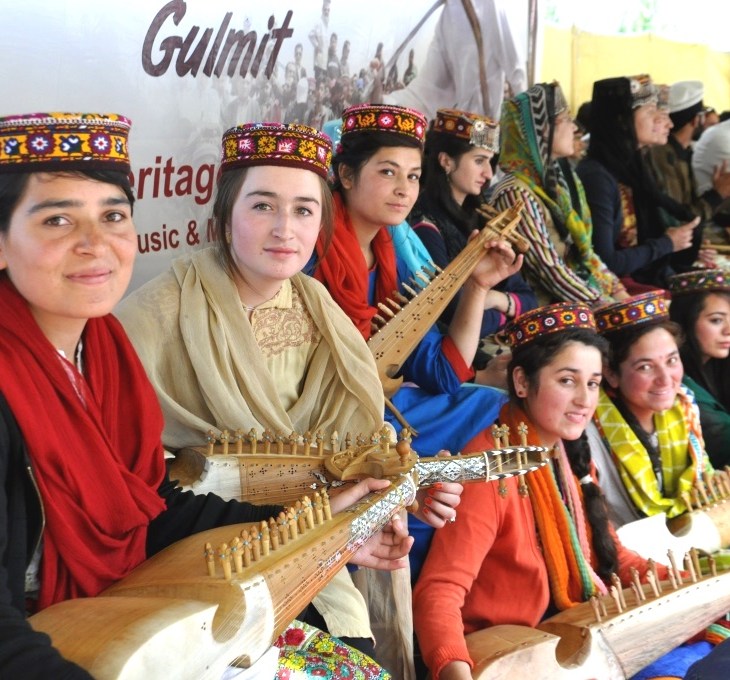
With much appreciation by the audience, the youth students of Leif Larsen Music Centre, Altit…

The Floating School is a prototype structure whose main aim is to generate an alternative building system and urban culture for the populations of Africa’s coastal regions. The triangular A-frame or pyramid
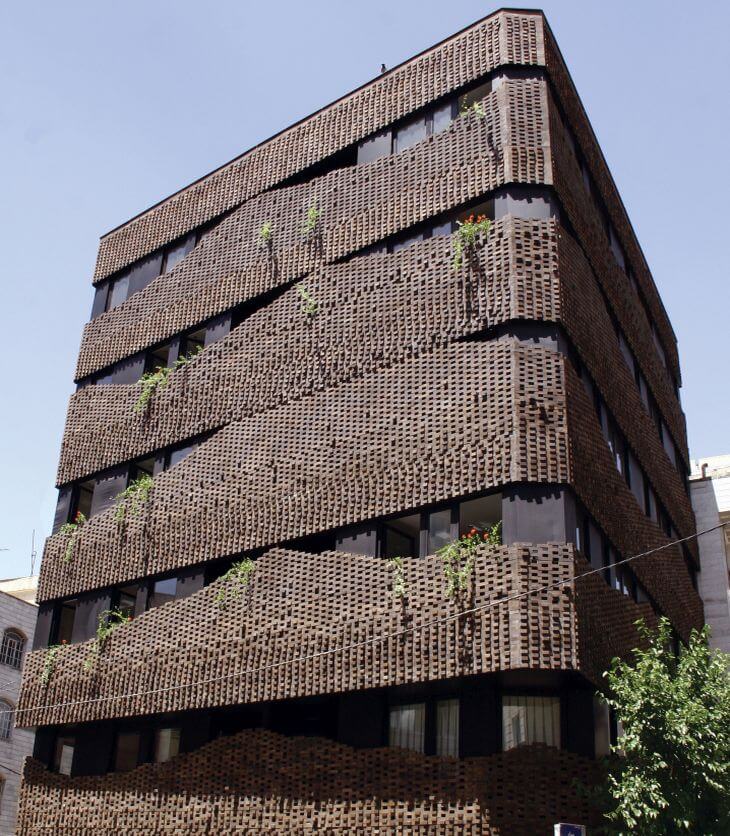
Creating a small and low budget apartment building in Tehran does not leave much space for creativity, yet an architect can try to do something with the material, textures, outer envelope and light.
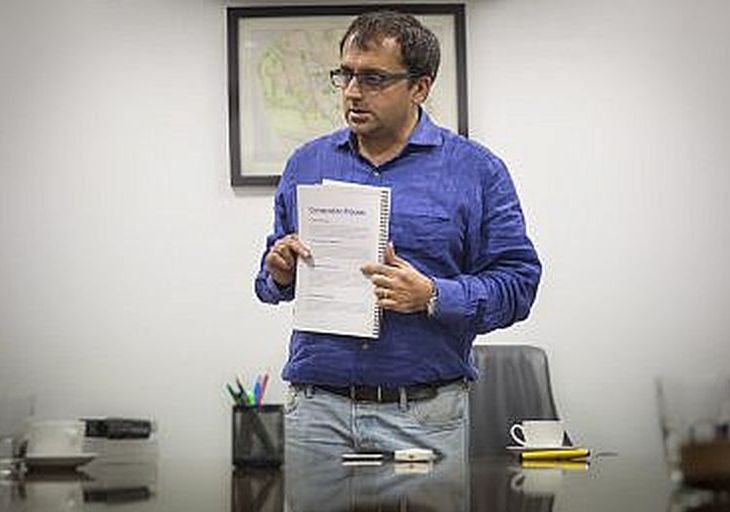
An interview with Ratish Nanda, a prominent conservation architect in India. New York City, with…
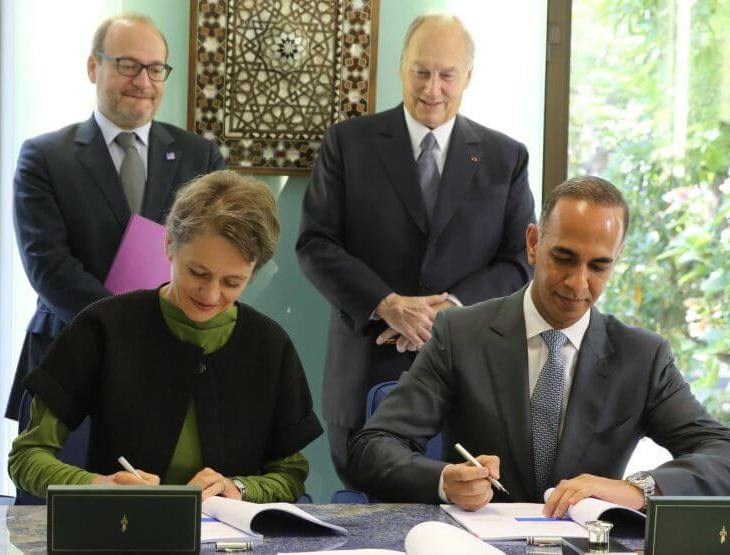
The French Development Agency and AKDN engage in a US$58 million partnership to provide equitable…
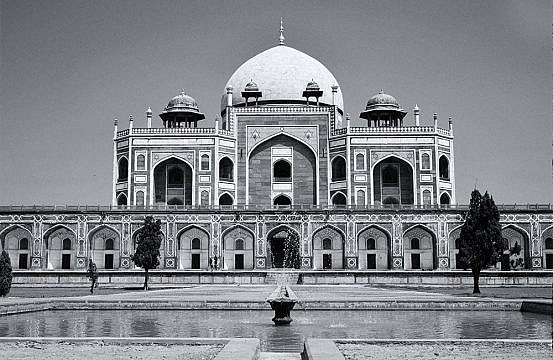
Glimpses of historical treasures hidden within the bustle of a modern city. Delhi has witnessed…
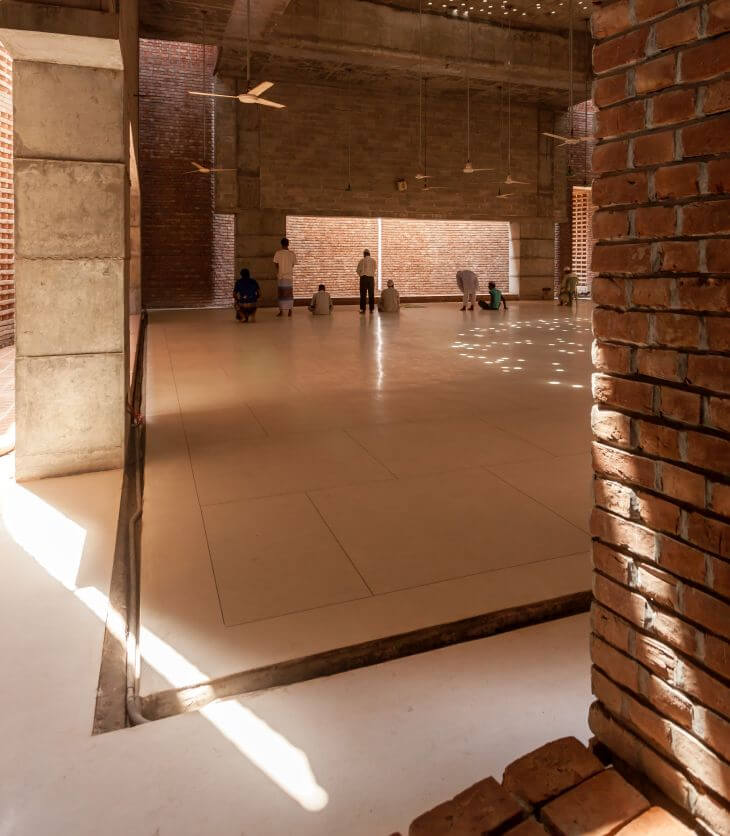
In an increasingly dense neighbourhood of Dhaka, the Bait Ur Rouf Mosque was raised on a plinth on a site axis creating a 13-degree angle with the qibla direction, which called for creativity with the layout.
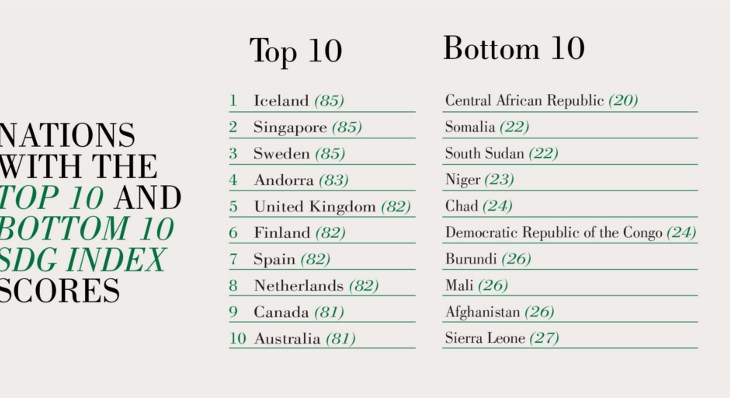
Expanded health coverage, greater access to family planning, and fewer deaths of newborns and children…
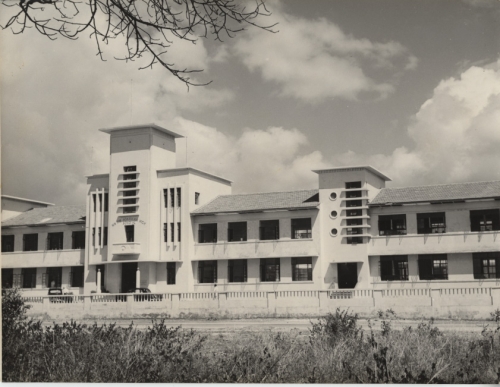
The origins of The Aga Khan High School, Mombasa date to the opening of the…

A series of public libraries for disadvantaged youth in rural areas. “The idea is that books are a source of knowledge just like water is the source of life,” says the architect.

