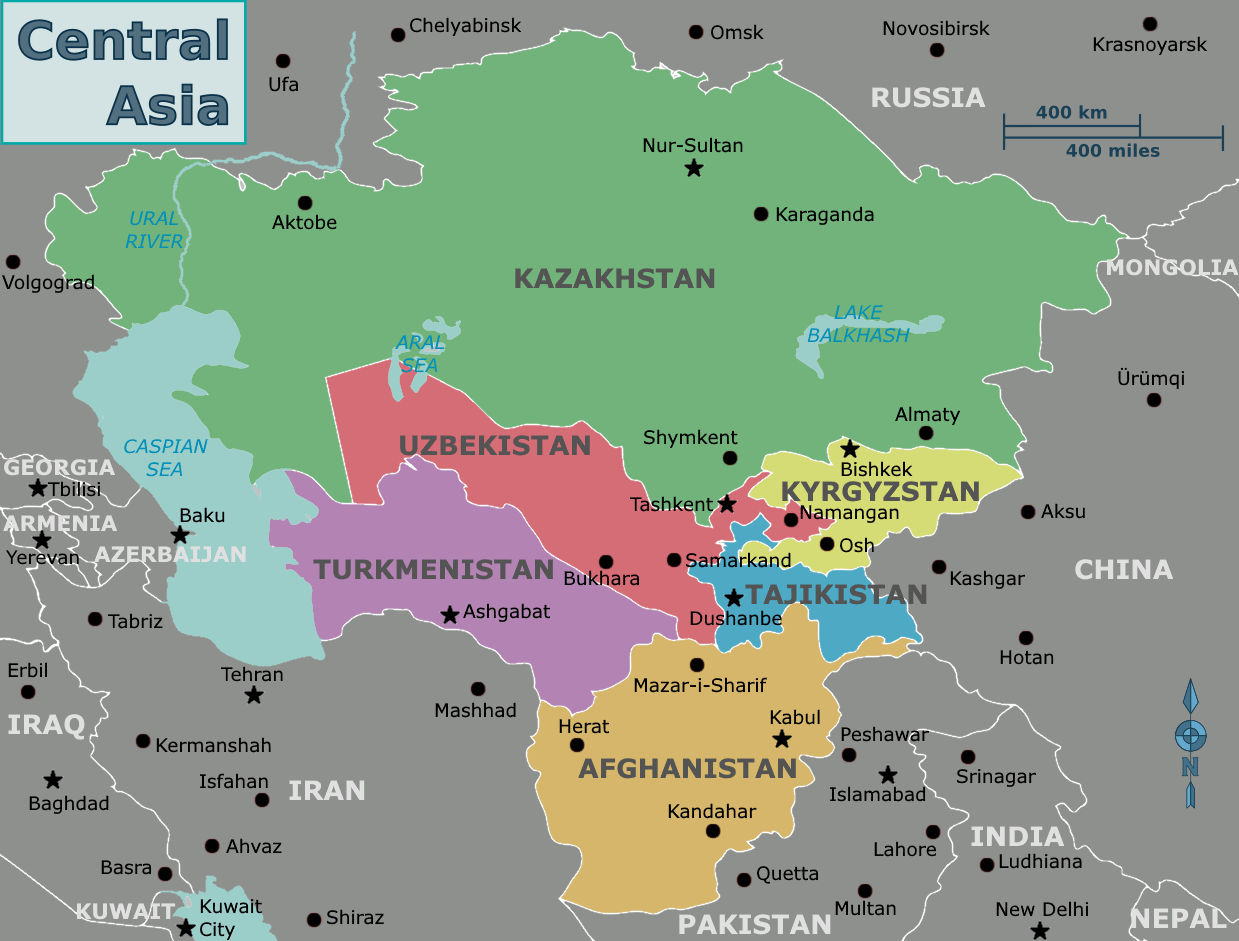
Central Asia comprises Afghanistan, Kazakhstan, Kyrgizstan, Northern Areas of Pakistan, Tajikistan, Uzbekistan, Xinjiang province of China and north eastern Iran (also known as Khurasan). As part of the Silk Road, Central Asia has been culturally and ethnically pluralistic and intellectually dynamic, producing some of the most important scholars of Islam such as Ibn Sina, Al-Biruni, Firdousi, Rudaki, among numerous others.
Ismaili da’is went to Central Asia from Fatimid Egypt to spread the da’wa during the reign of the Samanid Emir, Nasir II bin Samani (914-943). Under subsequent dynasties, Ismailis and other Muslim communities were persecuted by the rulers who were against their intellectual traditions. As a result, many Ismailis migrated to remote areas such as Badakshan. The geographical isolation of the communities living amidst the prohibitive Pamir Mountain ranges along with continued persecution resulted in the limited recording of the history of the Jamat. They elaborated a literary tradition based on the writings of Nasir-i Khusraw, as well as other esoteric traditions of Central Asia. The Fatimid Caliph-Imam al-Mustansir (1036-1094) had appointed Nasir-i Khusraw as the chief da’i of the region. However, Nasir faced enormous challenges in spreading the da’wa, eventually living in exile in Yumgan, in modern day Afghan Badakshan, where he wrote most of his work. He is regarded as the founder of the Ismaili spiritual and intellectual tradition in Central Asia.
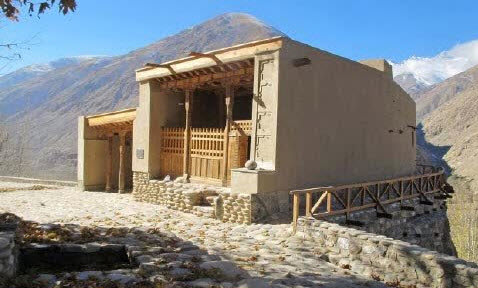
In the mid-nineteenth century, colonial expansion by imperial Great Britain and Soviet Union further fragmented the region which increased the isolation of the Jamat and linked their destinies with the political histories of the emerging states. This was severely felt by the Jamats united until now under one religious structure living in Greater Badakshan including Chitral and northern areas (Gilgit, Hunza, and Ghezer), as well as Chinese Turkistan which became divided between China, Russia, Afghanistan, and British India. As a result, they developed under the local leadership of their khalifas, the learned members of the community. Mawlana Sultan Muhammad Shah’s last contact with the Jamat of Badakshan was in 1923 through his representative Pir Subzali (d. 1938),
Ismailis of China, who reside primarily in the Xinjian Province, are ethnically Tajiks, speaking languages similar to those spoken by the Ismailis in Tajikistan (Sariqoli and Wakhi). The Ismaili da’wa is believed to have spread to this region through the disciples of Nasir-i Khusraw.
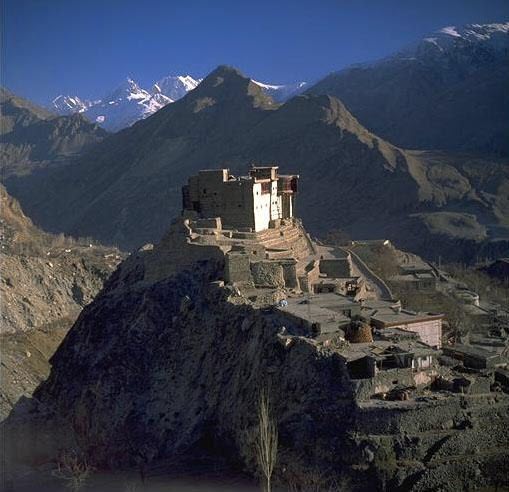
The Ismailis settlements of the northern areas of Pakistan are spread in the valleys amidst the mountain ranges of the Hindu Kush, Karakorum and the Himalayas. Prior to the twentieth century, each of the valleys was ruled by a dynasty of mirs; except for the Hunza valley, political power remained in the hands of non-Ismailis. The mirs, who ruled the region for over 700 years, had their seat at Baltit Fort. Dating to at least the fourteenth century, the Fort was built to protect the settlements in the Hunza Valley. In 1945 the last ruler moved to a new palace and Baltit Fort began to deteriorate; his son, Mir Ghazanfar Ali Khan, donated the Fort to the Baltit Heritage Trust, a foundation responsible for maintaining the Fort.
In 1996, Aga Khan Trust for Culture completed restoration work on Baltit Fort, now a mueseum (AKTC).
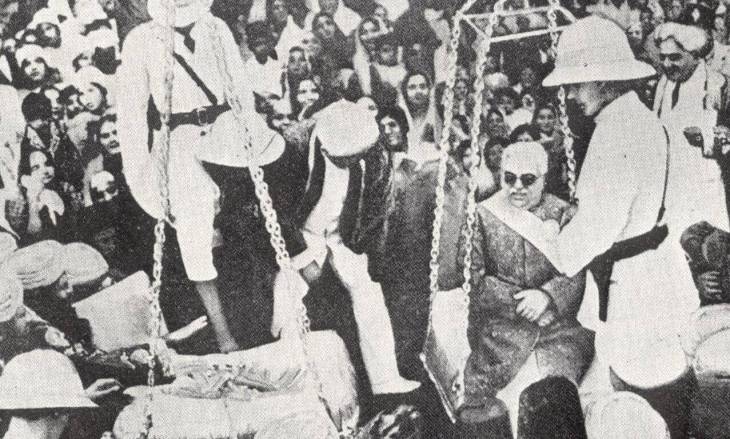
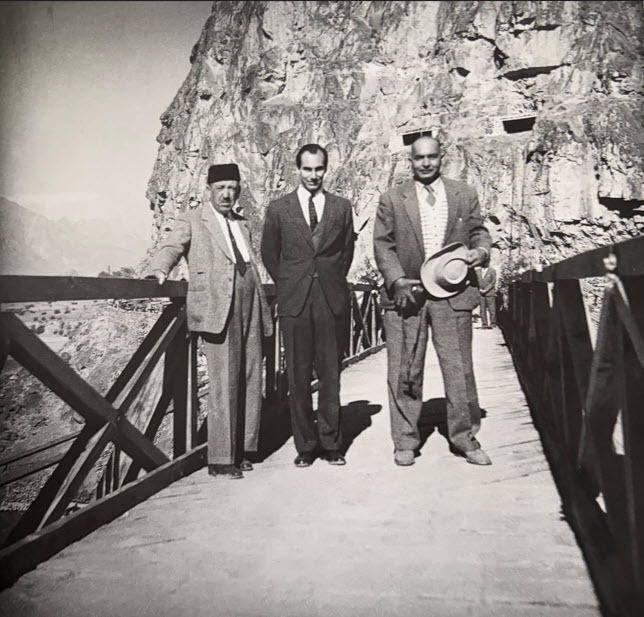
With the end of British colonial rule in the Indian subcontinent, the northern areas were incorporated into Pakistan. Mawlana Shah Karim visited Hunza in 1960, the first Imam to do so in the history of the Ismaili Imamate. Thereafter, the social and economic programmes of the Aga Khan Development Network (AKDN) in the region significantly improved the quality of life of the Jamat and others among whom they live.
Afghan Badakshan faced constant turmoil under various dynasties followed by Communist rule (1979-1992) and Taliban movements (1992-2001). After the 1917 Revolution, the Soviets chose to initiate a socialist revolution in Badakshan (also known as the Pamir), investing in schools, hospitals, cultural centres, and infrastructure. “Badakhshan ranked highest in the entire Soviet Union in terms of the number of individuals holding higher education degrees. It produced a great number of highly educated professionals who made valuable contributions to Tajik society” (Niyozov). However, they nationalised agriculture lands and crops, forcing the migration of the Jamat to the southern part of Tajikistan. In 1936, the Tajik-Afghan border was closed, resulting in further isolation of the Tajik Jamat from the communities in Afghanistan, also making contact with the Imam physically impossible. The Jamat continued to sustain their faith through the teachings of Nasir-i Khusraw.
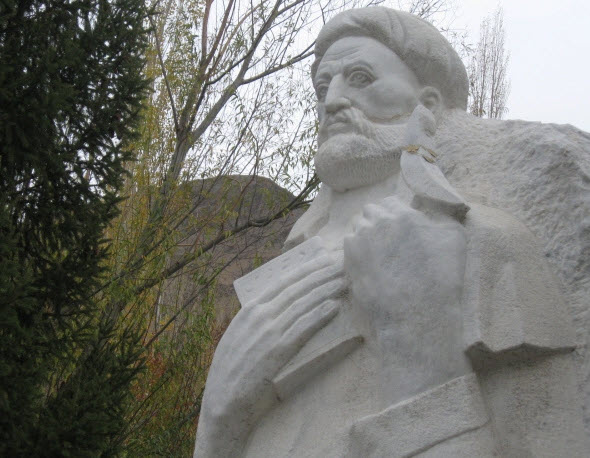
Image Janet Southern/The Ismaili
The dissolution of the Soviet Union in 1991 created the Commonwealth of Independent States, changing the political and economic climates of the region. The Jamat established physical contact with the Imam. Beginning in 1993, AKDN activities and programmes greatly improved the quality of life of the population.
In 1995, Mawlana Shah Karim became the first Imam in recorded history to grant mulaquats in Central Asia. Imam met with the Jamat who waited with patience and an anticipation of the historic encounter taught by da’i Nasir-i Khusraw over one thousand years ago, in settings of spectacular natural beauty. Mawlana Shah Karim granted mulaqats in Dushanbe, Khorog, Roshtkala, Murghab, Sijd, Ishkashim, Rushan, Bishkek, and Moscow.
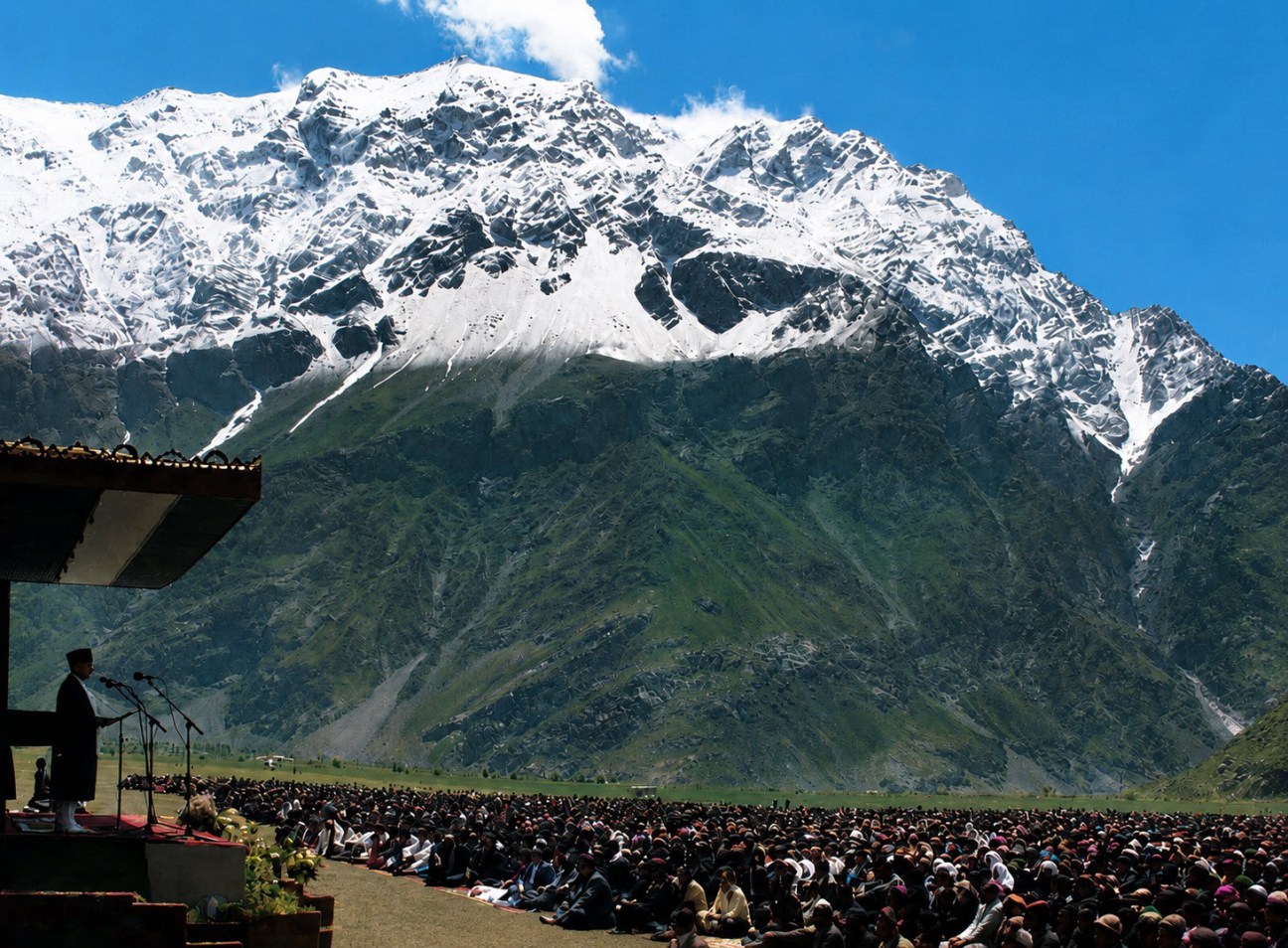
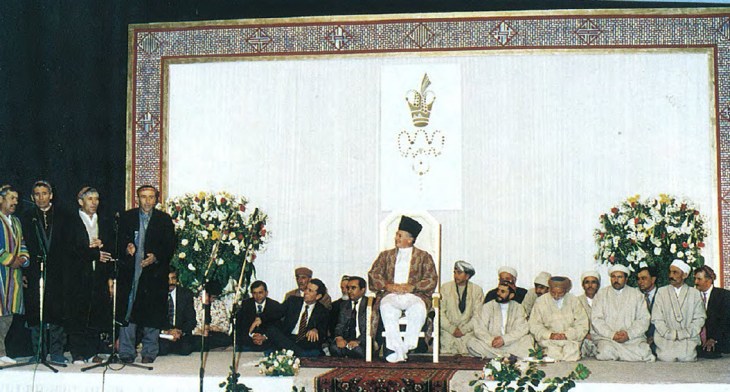
Subsequently, the establishment of Ismaili institutions and jamatkhanas with their respective mukhis and kamadias facilitated the Jamat to re-establish their identity and practice their faith.
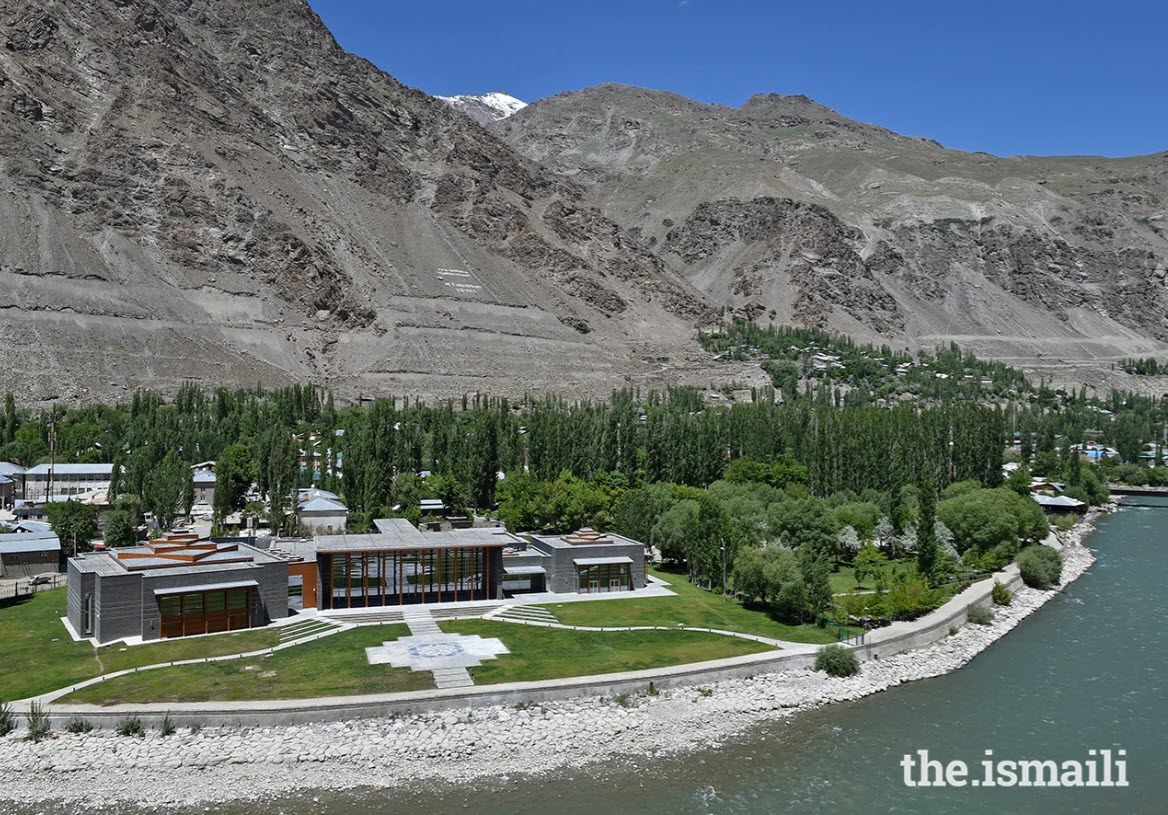
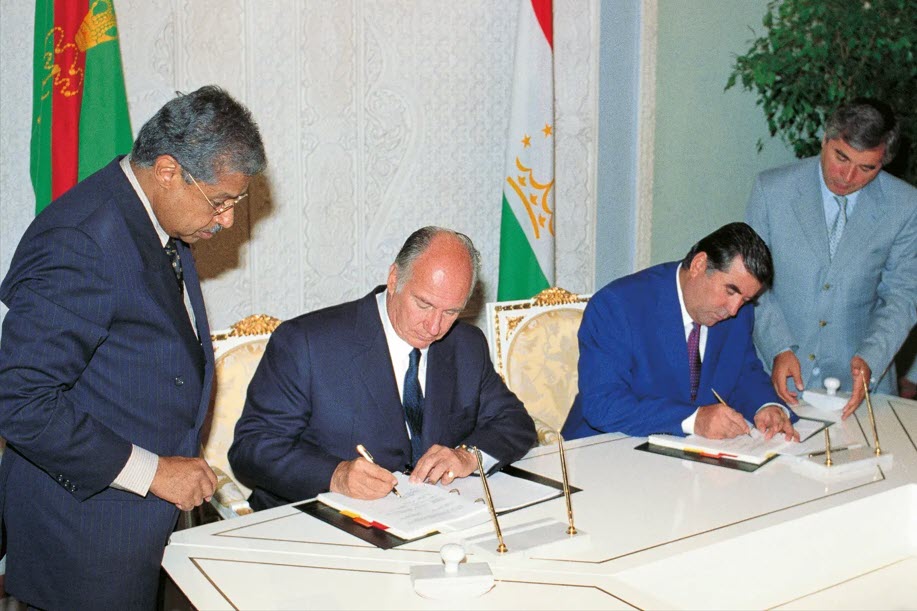
In 2000, Mawlana Shah Karim established the University of Central Asia (UCA) as a private, not for profit institution, dedicated exclusively to the education and research on mountain regions and societies. The university was established through an international treaty signed by the presidents of Tajikistan, Kyrgyz Republic, and Kazakhstan, and Mawlana Shah Karim; ratified by the respective parliaments and registered with the United Nations. UCA is the world’s first internationally chartered institution of higher education.
The treaty was signed in Dushanbe, Tajikitsan, on 28 August; in Bishkek, Kyrgyz Republic on 30 August; and in Astana, Kazakhstan, on 31 August 2000.
(More at Twentieth anniversary of the founding of UCA)
The founding of UCA provides an opportunity for the people of the region to continue the intellectual traditions so characteristic of Central Asia. In his address at the inauguration of the Naryn Campus in 2016, Mawlan Shah Karim stated:
“Central Asia … led the world in cultural and intellectual development. This was the place that leading thinkers from around the known world would look to for leadership. What were the latest breakthroughs in astronomy or mathematics, in chemistry or medicine, in philosophy or music? This was the place to find out. This region is where algebra got its name, where the earth’s diameter was precisely calculated, where some of the world’s greatest poetry was penned.“
Contributed by Contributed by Nimira Dewji, who also has her own blog – Nimirasblog – where she writes short articles on Ismaili history and Muslim civilisations.
Sources:
Hakim Elnazarov and Sultan Aksakolov, “The Nizari Ismailis of Central Asia in modern times,” published in A Modern History of the Ismailis, Edited by Farhad Daftary , I.B. Taurus, London, 2011
Samantha Shea, The road that’s the ‘Eighth World Wonder,’ BBC
Sarfaroz Niyozov, Evolution of the Shi‘a Ismaili Tradition in Central Asia, The Institute of Ismaili Studies (PDF)
Baltit Fort, UNESCO World Heritage Convention

