If structures could talk, then the huge, majestic building at the junction of Moi Avenue and River Road would narrate rich tales of Nairobi’s history.
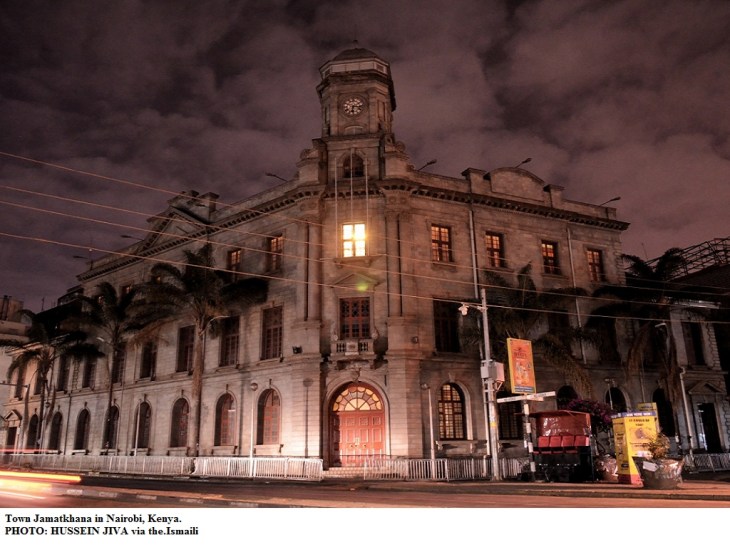
Widely referred to as Khoja Mosque, its true name is Nairobi Town “JamatKhana”, meaning “prayer house or mosque”.
Khoja was built by members of the Ismaili community under their spiritual leader, the Aga Khan. Its construction was completed in 1922.
Out of the original 32,000 Indian men who came to work on the “Uganda” Railway, about 6,700 opted to remain in Kenya after completing the assignment in 1902.
Before the completion of the railway, there already was a nascent community of Indian traders on the coastal strip who were hindered from venturing inland by the hostile environment. The completion of the railway therefore made the interior of Kenya accessible.
As the Indians made their way inland, Khoja Mosque became the focal point of new businesses.
It is credited with stimulating the growth of Bazaar Street, later named Biashara Street.
Biashara is the Kiswahili for “commerce” or “trade”.
Today, not even the blaring horns of matatus, crowds or the exhibition stalls outside can disrupt the tranquillity of the mosque.
One just needs to take a step into the Victorian-style three-storey building to put the hustle and bustle of the city behind.
The iconic building, which celebrated its 96th anniversary in 2018, has withstood the dynamics of Kenya’s capital.
Read more at the source

 Ismailimail
When the city was city good job 👍
LikeLike