The Timurid architectural style influenced the development of later Islamic architecture…
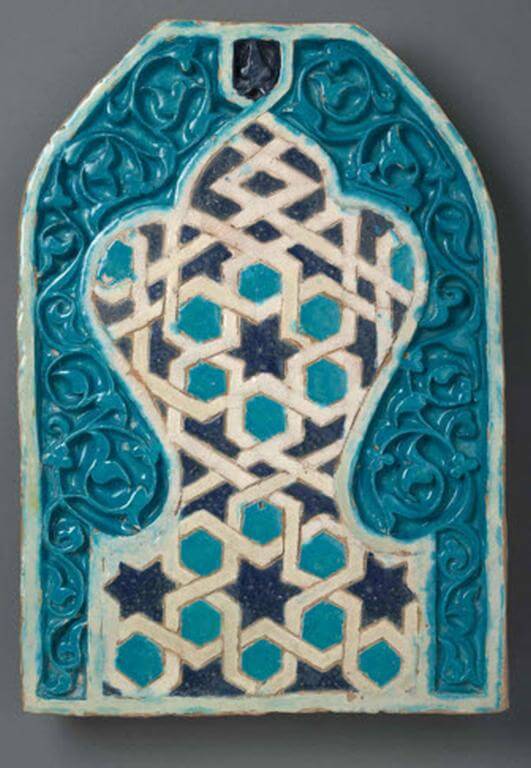
The Timurid architectural style influenced the development of later Islamic architecture…

Named after the Prophet’s daughter, the reign of the Fatimid Caliph-Imams (909-1171) is often referred to as a ‘golden age’ in Ismaili history.

“For the Aga Khan University, education of women and that they should participate in the development of this institution and in the development of the country, is a fundamentally important principle.”

Named after the Prophet’s daughter, the Fatimids established their empire in 909 in North Africa.

Imam Sultan Mahomed Shah with Mata Salamat and Prince Aly Khan at the Platinum Jubilee commemoration in Cairo
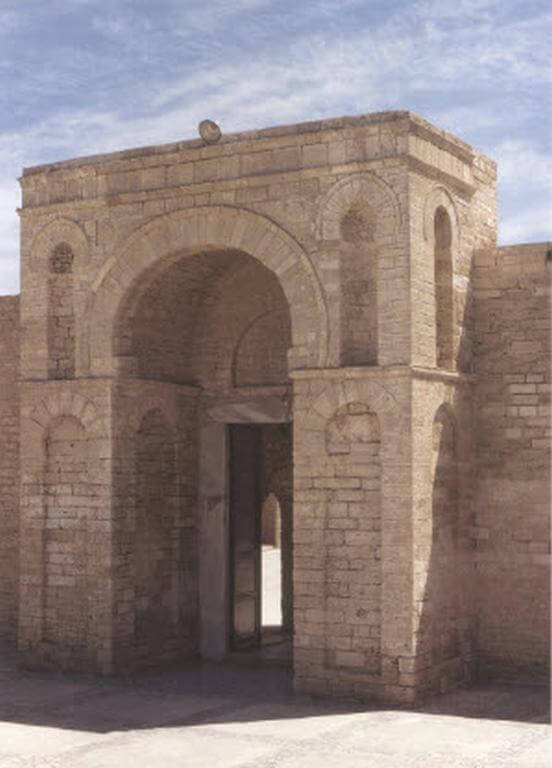
The city of Mahdiyya, founded by the Fatimid-Caliph Imam al-Mahdi, was inaugurated on February 20, 921.

Poetry has always been central to the spiritual life of Islam, particularly among the Sufis and other esoteric traditions of the faith.

Mawlana Hazar Imam inaugurated the Aga Khan School of Nursing on February 16, 1981 in Karachi, Pakistan.

The Fatimid Caliph-Imam al-Hakim bi Amr Allah was succeeded to the Imamat by his sixteen-year old son, al-Zahir li-I’zaz Din Allah, on February 13, 1021

The mosque and the early Qur’an schools were the first Muslim educational institutions.
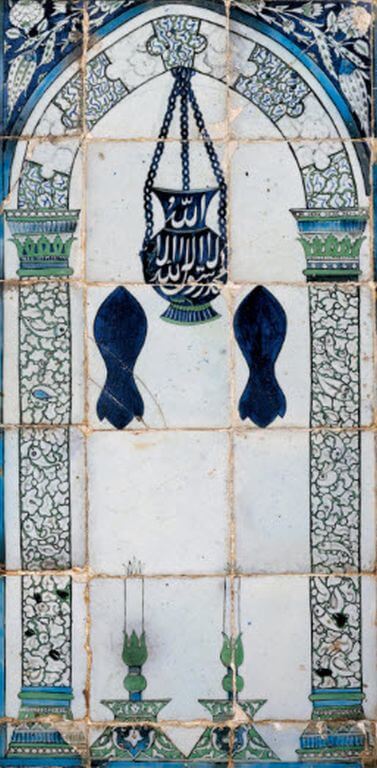
The word masjid, from which “mosque” is derived, appears frequently in the Qur’an. Technically it means “place of prostration,” that is, the place where believers gather to bow their heads to God.
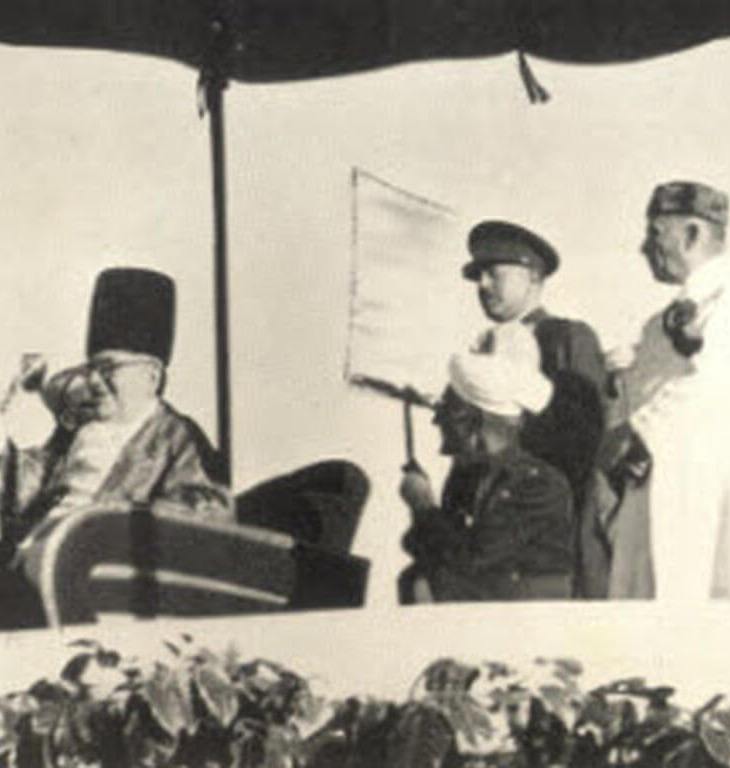
The first ceremony took place in Karachi, Imam’s birthplace, on February 3, 1954 followed by a small ceremony in Cairo on February 20, 1955
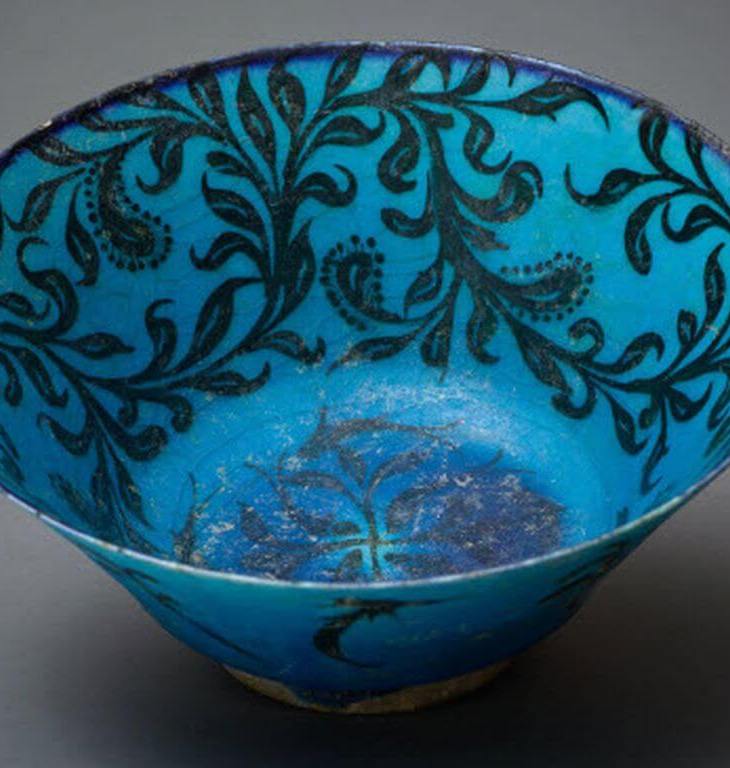
Royal patrons created historically important pleasure gardens in many parts of the Islamic world.

After the Fatimids moved to Egypt in the year 973 the palace in Cairo acquired a library unmatched anywhere in the contemporary world.

…quantitative advances in communication technology have not necessarily produced qualitative progress in mutual understanding.
 Ismailimail