Syria was part of the region of Mesopotamia – from the Greek meaning ‘between two rivers’ (the Euphrates and Tigris) – its history dates to at least the third millennium BCE. Mesopotamia, later termed the ‘Fertile Crescent’ by historian J.H. Breasted, was known as the cradle of civilisation as it “has inspired some of the most important developments in human history including the invention of the wheel, the planting of the first cereal crops, and the development of cursive script.” (Mark).
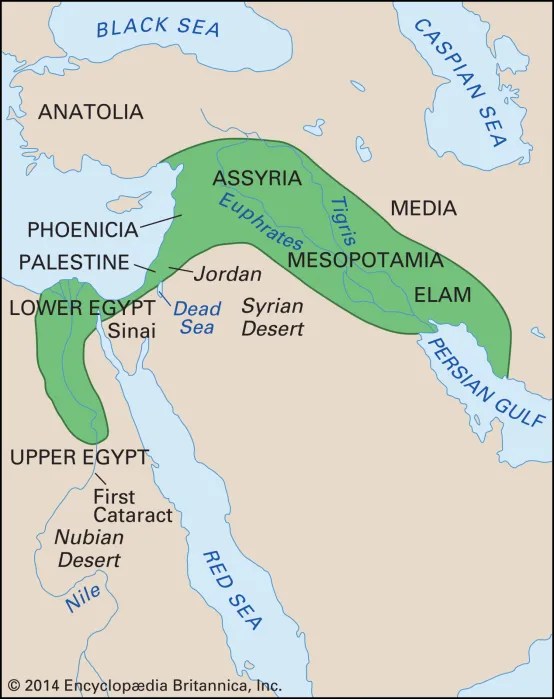
Syria has been ruled by numerous empires including the Seleucid (312 – 63BCE), Byzantine (476 – 608BCE), Umayyad (661-750CE), Abbasid (1183 -1260), Fatimid (1003-1038), Ayyubids (1171-1260) among many others, leaving their artistic and cultural stamps, revealing the richness of their diverse and pluralistic heritage. Ross Burns states that “few countries can match Syria in the richness of its historical remains” (Monuments of Syria).
Salamiya (Salamiyah, Salamieh), in Syria, played an important role in early Ismaili history.
Early Ismaili History
Mawlana Muhammad b. Ismail, the seventh Imam of the Nizari Ismailis, succeeded his father to the Imamat during a turbulent time in Medina, due to the dispute over the successors of his grandfather and father as well as anti-Alid Abbasid policies. In order to escape persecution, Imam left Medina shortly after 766, settling in Askar Mukram, a prosperous town in Khuzistan, southwestern Persia. This initiated the dawr al-star, ‘period of concealment,’ in early Ismaili history. For almost a century after Mawlana Muhammad b. Isma’il and his successors did not openly lay claim to the Ismaili Imamat; their whereabouts were known to a few trusted da’is.
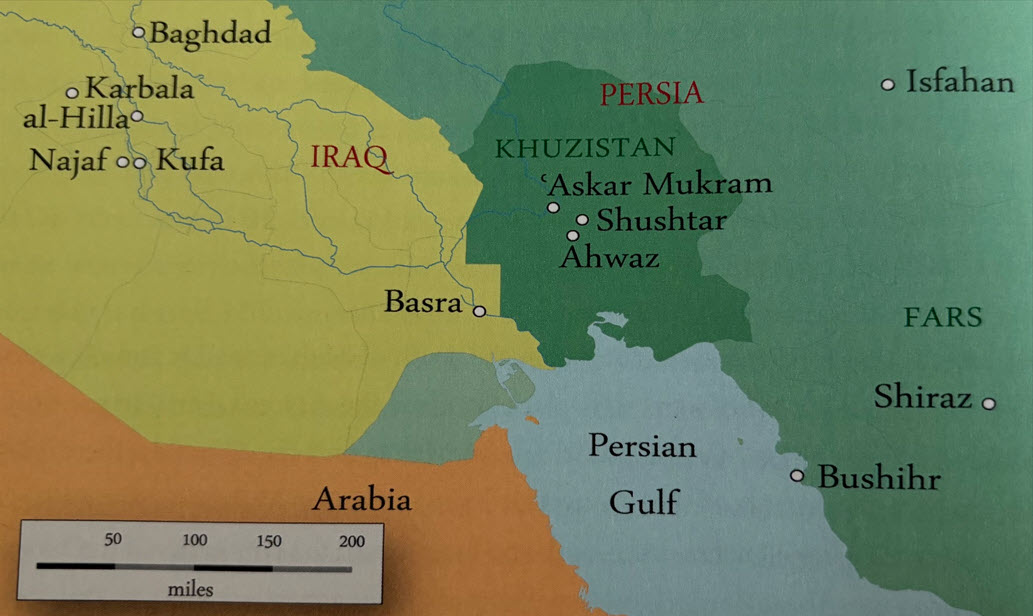
Abd Allah, the eldest son of Muhammad b. Isma’il, succeeded to the Imamate not long after 795 CE. Known as Wafi Ahmed, he continued to live in Askar Mukram disguised as a merchant, sending da’is to various parts of Persia and Iraq. However, Imam encountered hostile reactions to his activities, forcing him to flee to the nearby town of Basra (Iraq) eventually travelling to Salamiya, where a group of da’is had been operating. The da’is prepared for Imam’s settlement in Salamiya, which henceforth served as the secret headquarters of the da’wa for several decades. Mawlana Wafi Ahmed died sometime in the middle of the ninth century in Salamiya, where he was buried.
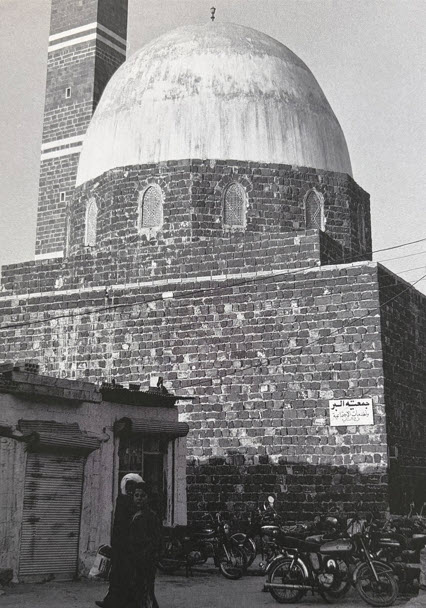
Image: Farhad Daftary, Zulfikar Hirji, The Ismailis An Illustrated History
Ahmad b. Abd Allah, also known as Taqi Muhammad, succeeded to the Imamate in mid-ninth century, continuing the taqiyya practices. He also died in Salamiya at an unknown date after the middle of the ninth century and was buried there in the family mausoleum. His son Husayn, known as Radi al-Din Abd Allah, succeeded him, continuing the da’wa activities. He died in 881 in Askar Mukram, where he was buried. Imam al-Mahdi, who was born in Salamiya in 873 or 874, succeeded his father to the Imamate at the age of eight. Building on the work of his father, Imam al-Mahdi continued to dispatch da’is to various regions.
Founding of Fatimid Caliphate
Meanwhile, the ground for the extension of the da’wa to North Africa to install Imam al-Mahdi as caliph of a state, was being laid by the pioneering da’i Abu Abh Allah al-Shi’i (d. 911). Earlier, in 762, Imam Ja’far al-Sadiq had sent two da’is to eastern Algeria, which was a stronghold of Maliki Sunnism, to spread Ismailism. More than a century later, al-Shi’i arrived, in 893, in the mountainous Berber region, where he lived among the local tribesmen for nearly sixteen years, preaching the Ismaili doctrine, uniting them under his leadership. By 903, al-Shi’i had commenced his conquest of North Africa.
However, in Salamiya, a premature campaign by a da’i to install Imam al-Mahdi to a Fatimid state, without Imam’s authorisation, compromised Imam’s security. Imam secretly left Salamiyya in 902.
Imam al-Mahdi travelled through various regions, encountering much hardship along the way, arriving in the town of Sijilmasa (today’s Rissani in southeastern Morocco) in 905. Imam lived there discreetly for four years, disguised as a merchant while maintaining contact with al-Shi’i, who was then preparing to launch the final military phase of his operations in the North Africa. In 909, al-Shi’i entered the palace city of Raqqada where he governed on behalf of Imam al-Mahdi for almost a year. In January 910, Imam al-Mahdi was publicly proclaimed as caliph, marking the founding of the Fatimid caliphate (909-1171).
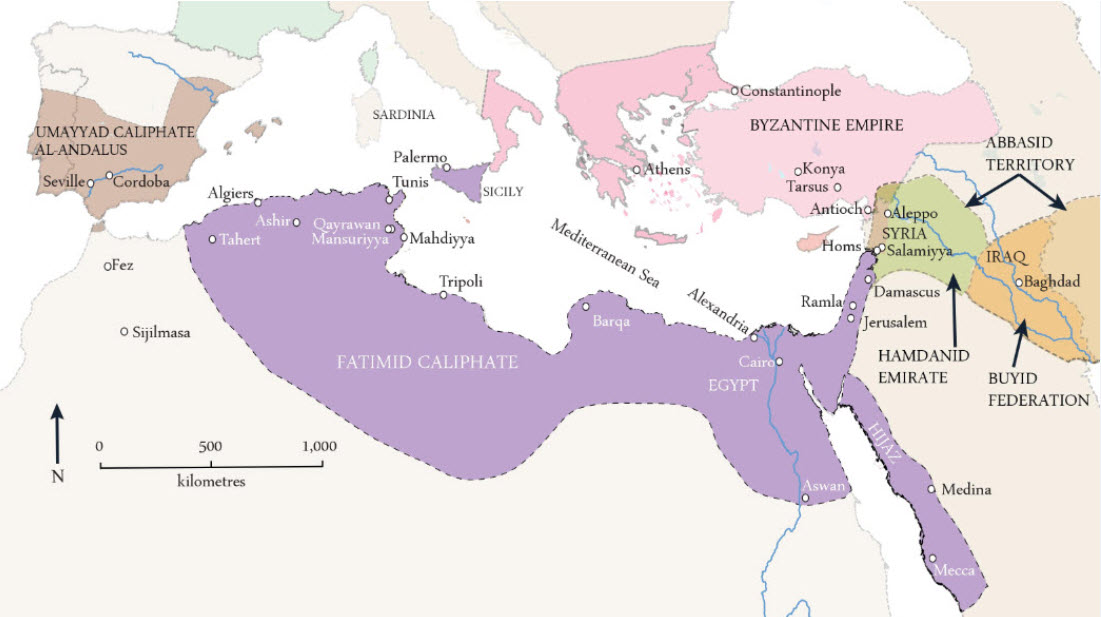
The first four Fatimid Caliph-Imams ruled from North Africa. Imam al-Mu’izz founded a new capital in Egypt, named al-Qahira al-Mu’izziyya (‘the Victorious city of al-Mu’izz, al-Qahira for short, today known as Cairo. He transferred the dynasty’s capital there in 972. Cairo remained the capital of the dynasty until the fall of the caliphate. The city became a major centre of scholarship and the arts.
At its peak, the Fatimid empire stretched across the Mediterranean coast, including modern-day Algeria, Tunisia, Libya, Egypt, Syria, Morocco, Palestine, Yemen, and the cities of Mecca and Medina.
The Fatimids established a unique “golden age” that produced great advancements in science, mathematics, architecture, philosophy. The period was marked by relative religious tolerance toward other Muslims, Christians, and Jews, even though the ruling class was predominantly Ismaili.
More at Al-Azhar Park silently reminds of a dynasty’s contribution to global knowledge
End of Fatimid Caliphate
Upon the death of Fatimid Caliph-Imam al-Mustansir bi’llah in 1094, the dispute over his successor divided the community. Imam had designated his son Abu Mansur Nizar as his successor, but his younger brother Abu’l-Qasim Ahmad, with the title al-Musta’lian, was placed on the Fatimid throne by the vizier. Those who followed al-Musta’li came to be known as Musta’li Ismailis while those who upheld the rights of Imam Nizar and his descendants came to be known as Nizari Ismailis, who have continued to be led by a living hereditary Imam to the present day, Mawlana Hazar Imam Shah Rahim al-Husayni Aga Khan V.

Alamut Period (1090-1256)
The Fatimid empire began to decline during the latter part of Imam al-Mustansir bi’llah I’s reign (r.1036-1094) due to internal conflicts, and an economic crisis marked by famine due to the low levels of the Nile for seven years (1065-1072). Furthermore, the political tensions at the time due to the constant plundering by the Turkish troops resulted in the disruption of the country’s agriculture as well as the destruction of the Fatimid treasury and library.
Anticipating the end of Fatimid rule, Hasan Sabbah, took measures to establish an independent state, acquiring the fortress of Alamut, in 1090, in the remote Alburz mountain. This marked the founding of what would become the state of Alamut.
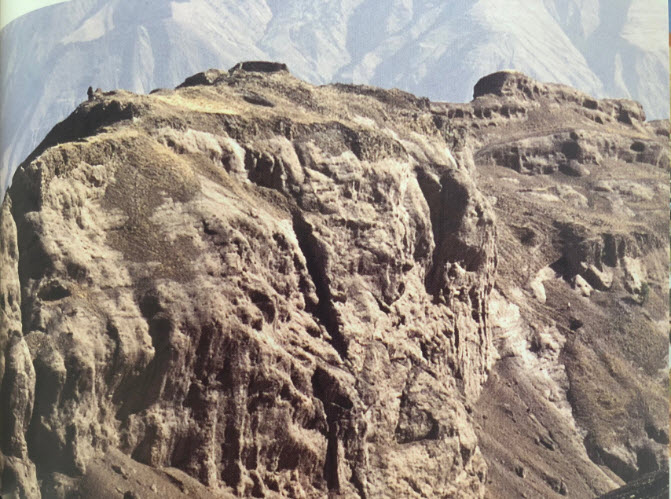
Over the course of the next 150 years, the Nizari Ismailis acquired more than 200 fortresses in Iran and Syria, located in mountainous regions for refuge of Ismailis who were fleeing persecution. Their settlements were also a sanctuary for other refugees, irrespective of their creed, fleeing persecution and invasions.
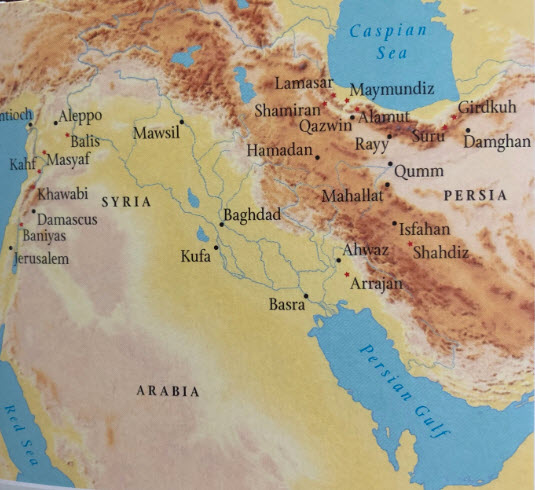
During this time, the Imams lived discreetly in order to avoid persecution, initiating the second dawr al-satr period in Ismaili history. Hasan Sabbah and his two successors led the community on behalf of the Imams, until the time of Imam Hasan ala dhikihi’l-salam (r.1162-1166) who led the community publicly.
Once established at Alamut, Hasan constructed large storerooms to maintain substantial supplies of food to enable the community to survive many months of siege. He also developed an elaborate irrigation system in order to cultivate crops, while also introducing the terracing of slopes to ensure minimal soil erosion. Having fortified the fortress, Hasan established a library to continue the tradition of intellectual activities. Over time, the Alamut library became famous for its collection of books and scientific instruments. Later other fortresses in Iran and Syria were equipped with libraries. Many scholars including non-Ismailis availed themselves of these libraries.
Despite the fluctuating political fortunes and having to fend against invasion, the Ismailis of Persia and Syria maintained an active and vibrant intellectual and cultural life. Willey notes that the Ismailis of the Alamut period in Persia and Syria “were people of exceptional intelligence and sophistication, who in these remote mountain fortresses were able to cultivate a rich intellectual and spiritual life….. They excelled at military architecture, agriculture, and water engineering in arid and rocky terrain” (Eagle’s Nest, front flap).
Also see
Pottery Fragments Reveal Artistic Skill of Nizari Ismailis of Alamut
The works of Nasir al-Din al-Tusi illustrate the high level of intellectual life at Alamut
Mongols Invasions
Initial Mongol attacks began in 1253 on fortresses in Khuzistan followed by attacks in the towns of Tus and Tun, where numerous inhabitants were killed. Historians claim that in Tus alone, 12,000 Ismailis lost their lives (Willey, Eagle’s Nest p 76). Mawlana A’la Muhammad (r.1221-1255), the twenty-fourth Nizari Imam, together with the Abbasid caliph of Baghdad, dispatched a special embassy to the kings of England and France, appealing for a Christian-Muslim alliance against the Mongols. This appeal went nowhere as the European monarchs preferred to see the Muslims wiped out by the Mongols in order to preserve the Crusader states. In 1246, a joint peace mission was sent to the chief in Mongolia, but he refused to receive the Ismaili emissaries, treating them with contempt and increasing Mongol invasions in Ismaili territories.
In 1255, Mawlana A’la Muhammad was found murdered under suspicious circumstances. He was succeeded by his son Rukn al-Din Khurshah, who had entered into several negotiations with the Mongols, but was forced to surrender the fortresses of Maymundiz and Alamut in 1256. This marked the end of the state of Alamut.
Ismailis in Syria
The earliest Nizari da’is from Alamut had arrived in Syria in the early twelfth century, but the success of these da’is was slow because:
1) The Persian Ismailis had been able to acquire strongholds in remote areas, fortifying them for their security.
2) There were already a fairly large number of Ismailis and other Shi’i Muslims in Persia who were firmly against the Saljuq rulers (1078-1117) and responded strongly to Hasan Sabbah’s cause.
In Syria, the da’is were operating in a foreign territory with different traditions and political conditions. A large number of the existing Ismaili population was supporting Musta’li caliphs of Egypt rather than the Nizaris of Persia. The arrival of the Crusaders further complicated the political environment. Thus, it took the Nizari Ismailis several decades to acquire and fortify strongholds on the same footing as the Persian Nizaris. For the first about thirty years of the twelfth century, da’is operated from Aleppo in the north and subsequently from Damascus in the south.
Aleppo
Aleppo had a large Shi’i population, including Ismailis. The Ismaili leader, Abu Tahir al-Sa’igh, had a good relationship with Ridwan, the Saljuq amir of Aleppo. Ridwan permitted the community to establish a religious centre and practice their faith openly. However, the Sunnis of the region became increasingly resentful of Ridwan’s alliances with the Ismailis and demanded their expulsion. The Twelver Shi’is also turned against the Ismailis.
Following Ridwan’s death in 1113, his successor received instructions from the Saljuq sultan to eliminate the Ismailis in Aleppo. The amir executed Abu Tahir and 200 of his followers, which prompted the mobs to assault the Ismailis. A small number of them managed to escape and, together with Ismaili refugees from other areas, attempted to seize the fortress of Shayzar, in northwestern Syria, while its owner was away, When the owner returned, he ordered the killing of all occupants. Subsequent to this debacle, the Ismailis transferred their activities to Damascus.
Damascus
The new da’i, Bahram, arrived from Alamut in 1126, and soon formed a cordial relationship with the amir of Damascus, Tughtikin, who allowed the Ismailis to operate openly; he later gave them the castle of Banyas to guard against enemies. However, once again, the Ismaili presence was resented by the local Bedouins resulting in a battle in which the Ismailis were defeated and Bahram was killed in 1128. This coincided with the death of Tughtikin. Historical chronicles estimated that 10,000 Ismailis lost their lives. The survivors retreated to the mountains of the Jabal Bahra (today known as Jabal Ansariyya) in central Syria.
In 1132, the Ismailis purchased their first stronghold, Qadmus, from the ruler of Kahf. Subsequently they acquired Khariba from the Franks, and in 1140, they obtained Masyaf, Khwaba, Rusafa, Maniqa, and Qulay’a. Masyaf was often the residence of the chief da’i and the centre of Ismaili activities. While the community managed to establish – for the first time – an autonomous homeland, their security remained highly unstable, facing constant attacks from the Crusaders and Sunni rulers.

Rashid al-Din Sinan
The greatest of the medieval Nizari Ismaili da’is in Syria, Rashid al-Din Sinan was born into a Twelver Shi’i family in Basra, Iraq, around 1133. He worked as a schoolmaster, eventually converting to Nizari Ismailism in his youth. To further study Ismaili doctrines, Sinan went to Alamut, the central headquarters of the Ismaili da’wa, where he met Imam Hasan ala dhikrihi’l-salam. Upon succeeding to the Imamate in 1162, Imam Hasan ala dhikrihi’l-salam sent Sinan to Syria. Sinan first went to Aleppo and then to Kahf, where he stayed for a few years establishing contacts with the local Ismailis. When Imam appointed Sinan as the chief da’i, he set about strengthening his position in the community. He put an end to the dissension among the Ismailis, rebuilt existing fortresses and acquired new ones. “Within a few years, he was able to establish himself as the head of a united community and gradually began to assert considerable influence in Syrian politics. (willey p 46).
Sinan forged strong alliances with the Sunni Ayyubid ruler Salah al-Din. “The cordial relations established with Salah al-Din continued long after their deaths. The Ayyubid rulers of Syria, who succeeded Salah al-Din, allowed the Ismailis to retain their castles, and supported them militarily in resisting the Crusaders. Although there were occasional conflicts, relations with the Crusaders were mostly peaceful.
By using a combination of diplomacy, threats, and armed confrontation, he succeeded in achieving recognition and even the grudging respect of his enemies in Syria and abroad” (willey p 46). “Sinan’s lasting achievement was to secure the future of the Syrian Ismailis at a time of great political upheavel and foreign invasions, which presented his community with unpredictable and dangerous challenges. The tactical alliances Sinan struck with his opponents … demonstrate his mastery of political strategy and the art of diplomacy” (Wiley, Eagle’s Nest p 49).
At the time of Sinan’s death, there were nine fortresses in Syria: Misyaf, Al-Qadmus, al-Kahf, al-Khawabi, al-Rasafa, al-Maynaqa, al-Ullayqa, al-Qulay’a, and Khariba (Mirzah, Syrian Ismailism p 55).

Mirza states “Sinan died leaving his people with ample memories of his greatness, wisdom and heroism.” The echoes of Sinan’s achievements still reverberate among the Syrian Ismailis of today (Syrian Ismailism p 41).
Fabricated Tales
The mythology surrounding life in the castles and the Ismailis is based largely on the highly unreliable account of the Venetian traveller Marco Polo, which became accepted by many as fact until disproved by modern scholarship. The fictional nature of Marco Polo’s account was long suspected by scholars, and its absurdities have been exposed more recently by various scholarly accounts. When the historian Juwayni inspected Alamut after its surrender to the Mongols in 1256 CE, he was greatly impressed by its library, water-cisterns, and storage facilities, but he makes no mention of any delectable secret garden or sumptuous palace inside or outside the castle. It is unfortunate that Juwayni himself, after having examined the original Ismaili documents and finding them full of “heresy and error” cast them into the flames. The distortion of Ismaili history was thus often based on sheer invention and fabrication.
See
Fabricated Tales Based on Fear and Ignorance – Part 1
Fabricated Tales Based on Fear and Ignorance – Part 2
Post-Alamut
Following the destruction of the state of Alamut in 1256, the Syrian Ismailis could no longer count on the direct support and personal guidance of the Nizari Imams. They eventually became subjects of the ruling Mamluks, led by Baybars, who systematically captured all of their fortresses by 1273. However, the Ismailis were permitted to remain in their fortresses, but only under the strict supervision of Mamluk lieutenants.
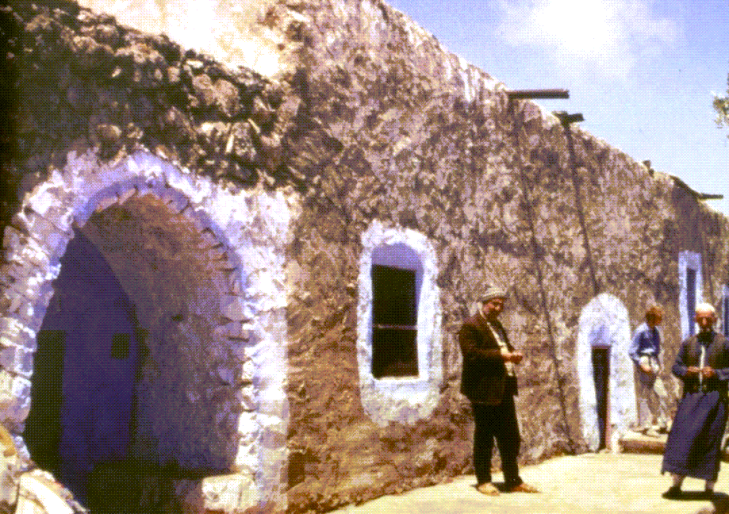
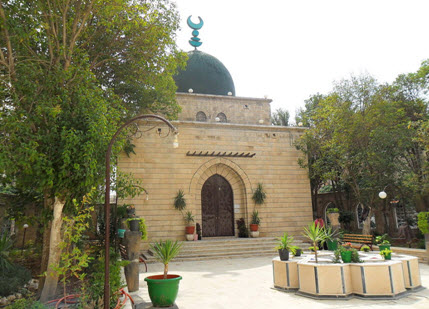
After the Mamluks, Syria came under Ottoman rule (1516 to 1918). At this time, Salamiya was in ruins. In 1849, the amir of Qadmus, Amir Isma’il b. Amir Muhammad, obtained permission from the Ottomans to restore Salamiya for the permanent settlement of the Ismailis. The Ottomans allowed him to gather Ismailis from different localities and settle them in Salamiya. Over time, Salamiyya became an important agricultural centre. Imam Sultan Muhammad Shah established an agriculture institution as well as several schools when he visited Salamiyya in 1951. Mawlana Hazar Imam’s grandfather, Prince Aly Khan, was buried in Salamiya in a permanent mausoleum adjacent to the Jamatkhana in 1972, as per his wishes.
Agencies of the Aga Khan Development Network have been working in Syria since 1999, providing humanitarian assistance, healthcare and sanitation, microfinance, educational support, agriculture and small business strengthening, civil society support, and cultural restoration.
From 1999 to 2007, the Aga Khan Trust for Culture undertook conservation work on the citadels of Aleppo, Salah ad-Din, and Masyaf in partnership with the Syrian Directorate General of Antiquities and Museums.
During his Golden Jubilee visit to Syria, August 24-29, 2008, Mawlana Shah Karim
- Inaugurated the restored Aleppo Citadel Project. Video
- Signed a Memorandum of Understanding between the Ministries of Health and Higher Education of the Government of Syria and Aga Khan University to enhance capacity in the health sector.
- Signed an agreement to
-launch the First MicroFinance Institution (FMFI) in Syria, the first entity of its kind in the country;
-build a five-star hotel through the preservation and restoration of four heritage buildings in Old Damascus;
-create an urban park in Aleppo. The Park at Bab Qinnesrine, was planned to be built on waste ground owned by the Aleppo Municipality, creating a vast new public green space for the citizens of Aleppo; and
-develop a hotel in Aleppo. - Graced Darbars in
-Salamiya on August 26
-Al-Khawabi on August 27
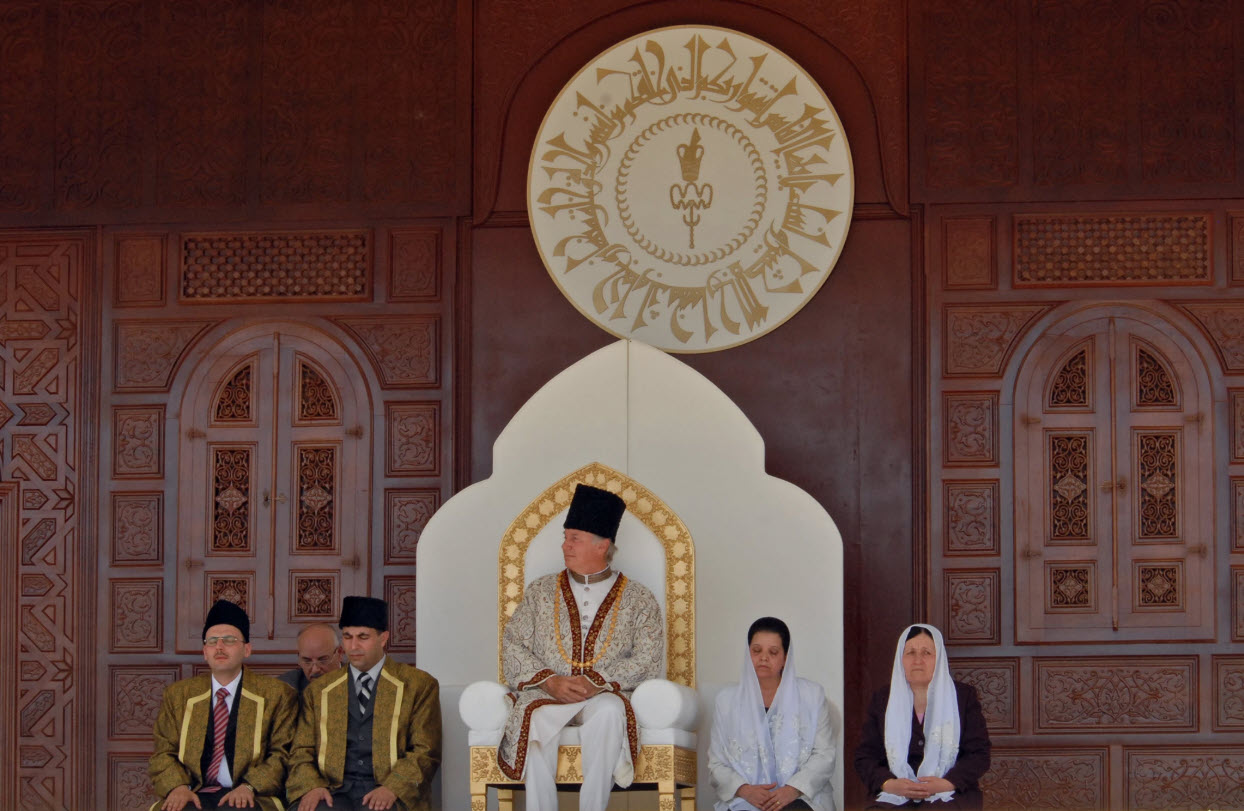
In 2025, the Ismaili Imamat pledged €100 million for Syria’s development.
In 2026, AKDN and Syrian government signed a Memorandum of Understanding to expand AKDN’s work and investment in Syria.
“We have an opportunity and an obligation now to foster hope, stability, and prosperity in Syria – for all Syrians.”
Mawlana Hazar Imam Aga Khan V
Brussels, Belgium, 17 March 2025
Statement
1 Lit. ‘the place of sunset.’ In mediaeval Muslim geography it referred to the western part of North Africa (present–day Morocco, Algeria, and Tunisia)
Contributed by Nimira Dewji, who also has her own blog – Nimirasblog – where she writes short articles on Ismaili history and Muslim civilisations.
Sources:
Daryoush Mohammad Poor, Nizari Ismailis: History, Geography, and Beliefs, The Institute of Ismaili Studies
Farhad Daftary and Azim Nanji, The Ismailis and their Role in the History of Medieval Syria and the Near East, The Institute of Ismaili Studies
Farhad Daftary, The Isma’ilis Their History and doctrines, Cambridge University Press, 1990
Joshua J. Mark, Mesopotamia, Ancient History Encyclopedia
Nasseh Ahmad Mirza, Syrian Ismailism, The Ever Living Line of Imamate, Curzon Press, Surrey, 1997
Peter Willey, Eagle’s Nest, Ismaili Castles in Iran and Syria, I.B. Tauris Publishers, 2005
Shafique N. Virani, The Ismailis in the Middle Ages, Oxford university Press, 2007

