In the 1920s and ’30s, a sprawling Victorian-Gothic bungalow named Gulshan Mahal on Mumbai’s Peddar Road would draw the cream of society to its musical soirées and cultural gatherings. It was home to India’s first female documentary filmmaker, who would later be turned out of it as a Partition evacuee and see her bungalow confiscated by the Indian government. Eighty years later, this bungalow in the Films Division campus on Peddar Road is set to open its doors to culture once again, as the National Museum of Indian Cinema.
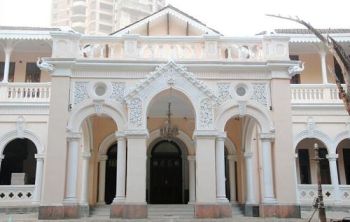
This is the first museum dedicated to films in India. Through movie clips, photographs, film equipment and other film memorabilia, it will take visitors through the history of cinema from across the country. But the history of Gulshan Mahal – both before and after Partition – is itself an intriguing tale.
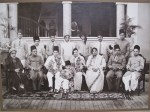
The bungalow, formerly named Gulshan Abad (garden of prosperity), was built in the mid-1800s and first owned by Peerbhoy Khalakdina, a Gujarati businessman from the Khoja Muslim community. The house, where he lived with his wife and son, Jairazbhoy Peerbhoy, was nestled in the midst of a wooded five-acre property between posh Peddar Road and Warden Road, overlooking the Arabian Sea.
The Khalakdinas were among the many Khoja families who moved to the city from Kutch at the request of the Aga Khan, their religious head. Besides trading, Peerbhoy was also a philanthropist and educationist who had set up many schools in Kutch, and he continued to do so in the city.
More at the source:


