Climate change is used to describe larger than normal variability in weather and climate parameters, especially rainfall and temperature. The cause of climate change on a global scale has touched off divisive debate. However, the long arc of evidence bends toward human causal factors. It is therefore in our power to act. And act now we must.
The major causes of death in Africa — malaria, Rift Valley Fever, malnutrition, and diarrhoea — are climate sensitive and are expected to worsen under climate change. According to the WHO, the direct cost to health, excluding costs in agriculture, water and sanitation, is projected to reach $2-4 billion (Sh197.28 billion to Sh394.56 billion) annually by 2030. The World Bank estimates that $75 billion (Sh7.398 trillion) will be needed annually to deal with the impacts of climate change such as tropical diseases, decline in agricultural productivity and damage to infrastructure owing to sea level rise.
The impact of climate change on human health is not something that looms in the distant future. This month in Pakistan, temperatures have breached a staggering 480C, leading to severe heat wave and a death toll of over 1,200. Moreover, the impacts of climate change are not limited to Africa and Asia. In 2003, more than 70,000 people died in Europe as result of severe summer heat.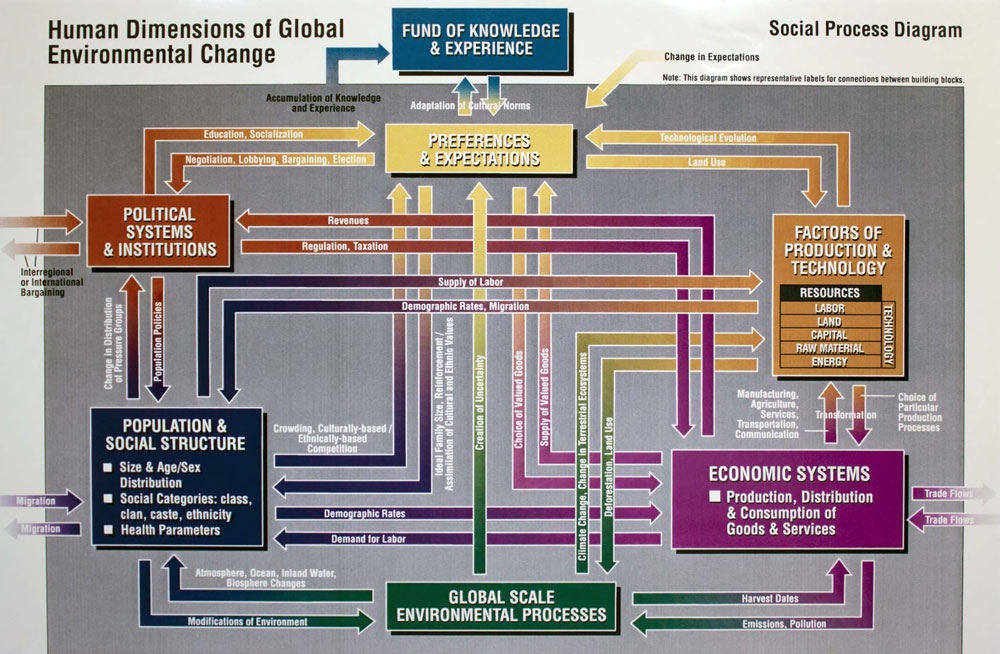
However, the poor, who mostly live in the global South, bear a disproportionate burden of the impacts of climate change. It is a widely held belief that countries in the developing world — Asia, Africa and South America — have contributed less, historically, to greenhouse gasses. The South argues that they have a right to pollute their way to economic prosperity. In Africa, we have argued that advanced economies must pay for the cost of adaption that is necessary to cope with impacts of climate change.
Climate change is a veritable economic, social, ecological and health emergency. And it has got the Pope talking. In his encyclical, Pope Francis has called for a radical transformation of economics, lifestyle and politics to confront climate change. In the Pope’s mind, climate change is anthropogenic, human-caused.
The Pope challenges the notion that our species has God-given dominion over the earth. According to Pope Francis, the scripture directs human beings to cultivate, protect and preserve Earth’s resources. Pope Francis calls for decisive national action, international cooperation and a spiritual and cultural awakening to restore the Earth, our only home.
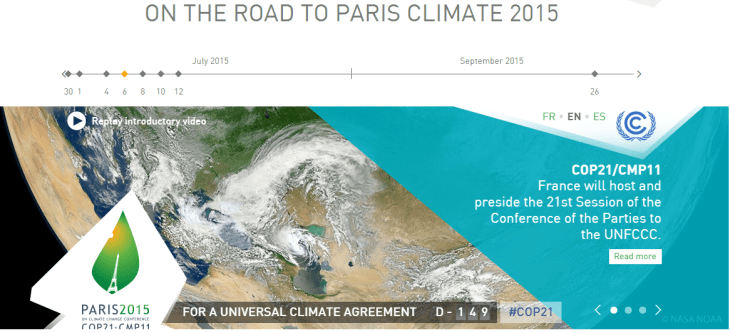
The science and policy community will benefit from the moral awakening, which Pope Francis has infused into what in my view is the urgent challenge of our time. What can we expect from the 21st session of the Conference of Parties to the United Nations Convention on Climate Change in Paris in December 2015? Can governments commit to a new agreement to halt global warming?
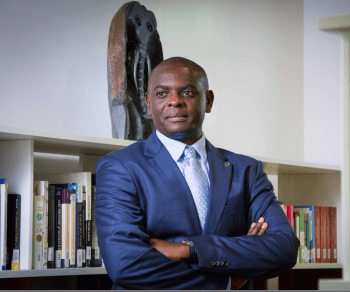
By Alex Awiti, Director of the East African Institute and Assistant Professor at Aga Khan University.
Discover, Explore and Learn more via
- Advancing Global Sustainability | We must enlist political, economic and moral assets to tackle climate change
- All Africa | Kenya: Tackle Climate Change With Moral Courage
- Paris 2015 | Conference of the Parties to the United Nations Framework Convention on Climate Change (COP21/CMP11)
In 2015, France will be hosting and presiding the 21st Session of the Conference of the Parties to the United Nations Framework Convention on Climate Change (COP21/CMP11), otherwise known as “Paris 2015” which will take place in Paris-Le Bourget from 30th of November to 11th of December 2015.

