LinkedIn Pulse / By Shaheen Murji – Quality and Accredtation Manager, ASDP, Om Habibeh Foundation, Aga Khan Foundation, Egypt
LinkedIn Pulse / By Shaheen Murji – Quality and Accredtation Manager, ASDP, Om Habibeh Foundation, Aga Khan Foundation, Egypt

In 909, the Ismaili Imamat established the Fatimid state in present-day Tunisia. Sixty years later,…
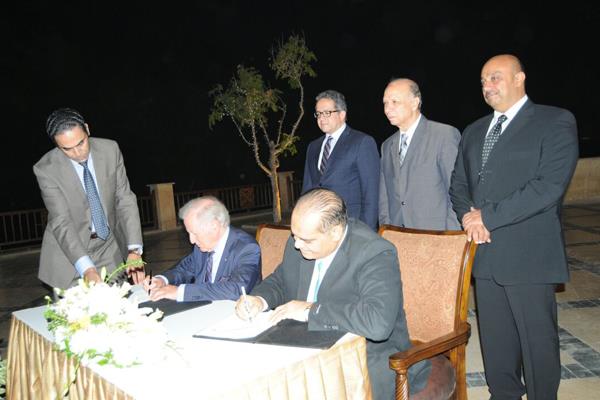
EGYPT’s Ministry of Antiquities signed a memorandum of understanding with the Aga Khan Trust for…

Named after the Prophet’s daughter, the Fatimids established their empire in 909 in North Africa…

The play first premiered in February 2014 and takes elements from circus arts and theatre

The school, which aims to provide neighbourhood children with an arts education to help in securing future jobs, was founded by an NGO, the Culture Resource (Al-Mawred Al-Thaqafy) in cooperation with Aga Khan Music Initiative – Aga Khan Development Network.

Ḵel’at or khil’at, meaning ‘robe of honour’ is an Arabic term to refer to gifts in general, but in particular to a robe of honour given by the ruler to a subordinate.

In addition to the pilgrimage to Mecca, visitations to the tombs (ziyarat) of great Muslim saints (awliya-i Allah) have formed an important aspect of religious life in various Islamic cultures
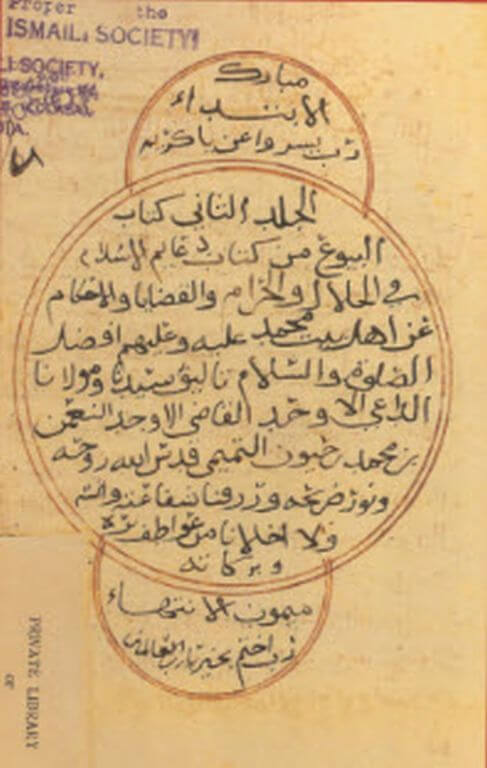
Qadi al-Nu‘man, passed away on March 27, 974 in Cairo
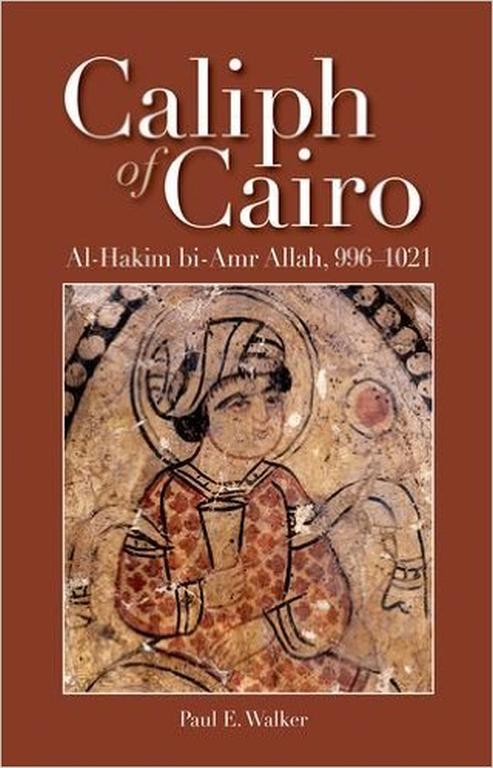
The Dar al-Ilm (House of Knowledge) was inaugurated on March 24, 1005

Nasir Khusraw left his job and set out for a pilgrimage to Mecca on March 5, 1046
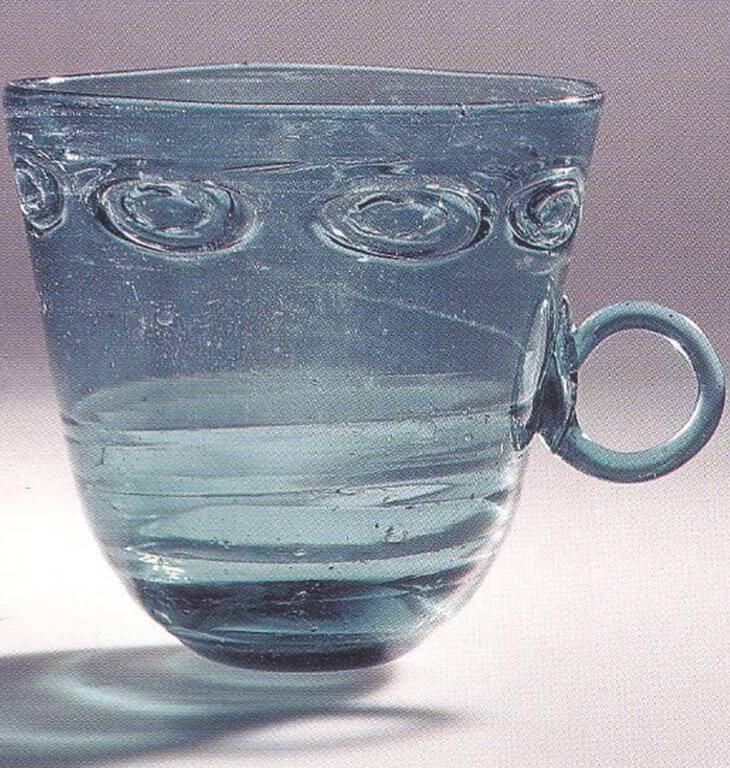
Named after the Prophet’s daughter, the reign of the Fatimid Caliph-Imams (909-1171) is often referred to as a ‘golden age’ in Ismaili history.
Named after the Prophet’s daughter, the Fatimids established their empire in 909 in North Africa.

Imam Sultan Mahomed Shah with Mata Salamat and Prince Aly Khan at the Platinum Jubilee commemoration in Cairo
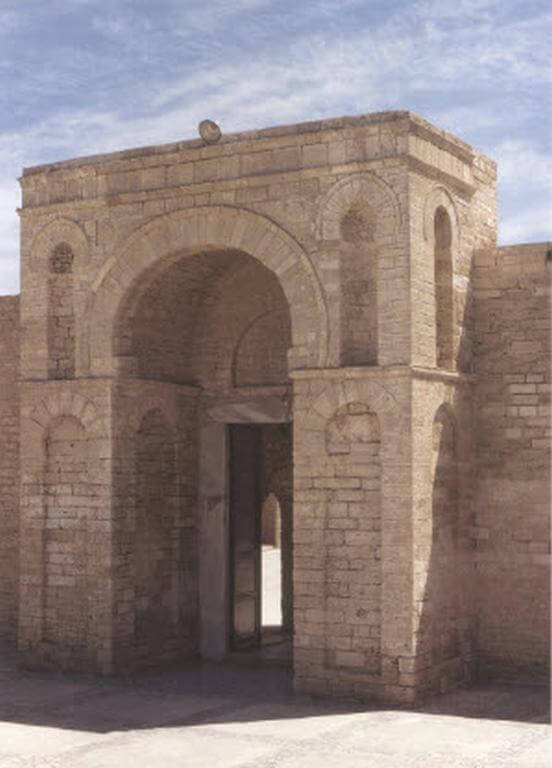
The city of Mahdiyya, founded by the Fatimid-Caliph Imam al-Mahdi, was inaugurated on February 20, 921.
 Ismailimail