As we contemplate education reforms, we must leverage open data and big data to inform our policy choices and actions.
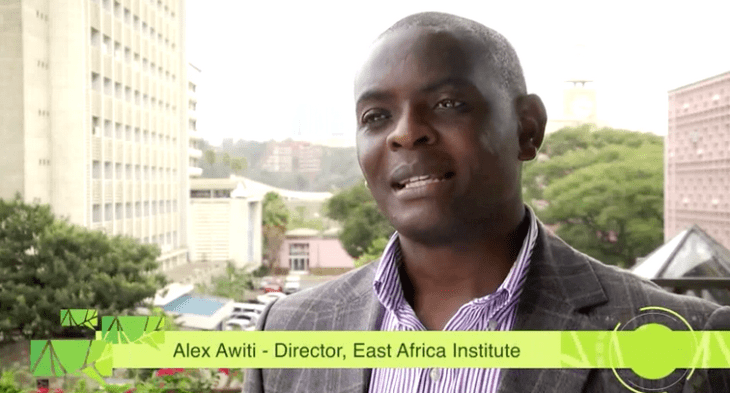
– Dr. Alex Awiti, Director, East African Institute & Assistant Professor, Aga Khan University
The deplorable rates of numeracy and literacy and dropout rates among our children are in my view analogous to airplanes dropping from the skies, with irreversible fatal consequences. I am mindful that the analogy is morbid.
As a student of systems ecology and complexity, I have always argued that understanding what determines learning outcomes and student achievement is a wicked challenge. Wicked problems do not have simple cause-effect explanations. Wicked problems often have non-linear causal pathways.
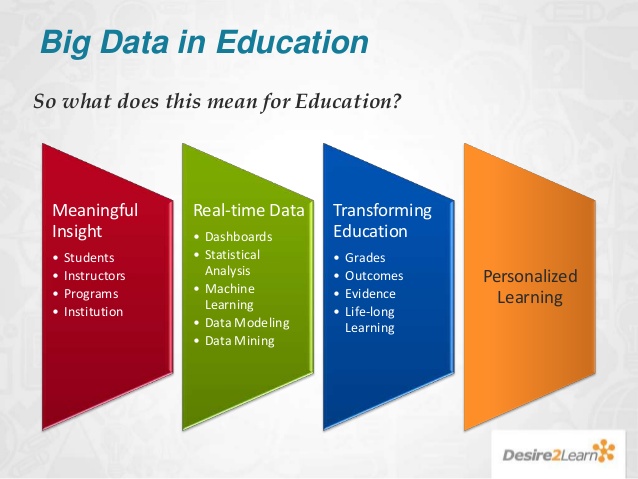
… Integrating multiple variables to model, predict or detect patterns has become nearly trivial in this era of open data, big data and data analytics. We don’t have an excuse for tolerating the elephant and the expert conundrum. It is possible to combine data and information on nutrition, socioeconomic status of the child, education level of the mother, teachers, school infrastructure and the curriculum to understand what factors or combination of factors explain why our children are not learning.
Using big data we can generate deeper insights into children’s learning and improve classroom teaching as a comprehensive picture of their capabilities and needs are developed earlier.
Open data, big data and data analytics permit sense making, understanding why our children are not learning. With big data we can predict which child is likely to have learning difficulties or is at risk of dropping out of school. Big data could make it possible to understand why retention or completion rates are low and what remedial action would be needed. Big data could ensure rationalisation of investment and coordination across multiple public and private agencies. With big data we can deliver education for all, which is also tailored to the learners context and needs.

The author is the director of the East African Institute and an assistant professor at the Aga Khan University.
Discover, Explore and Learn more via
The Star Kenya | Kenya: Big Data Can Look at the Whole Child
Additional References on Educating the Whole Child
- Making the Case for Educating the Whole Child
- What Does It Mean to Educate the Whole Child?
- Mind/Shift | Rethinking Data: How to Create a Holistic View of Students
All Related
 Transforming Leadership for 21st Century Africa - We live in an era of accelerating change, uncertainty and unprecedented complexity. Organizational strategies today…
 ALEX AWITI: Great teachers equal quality education - Alex O Awiti is the Vice Provost and director of the East Africa Institute at…
 ALEX AWITI: Our health and the future of our planet depend on our food choices - The EAT- Lancet Commission report on Food, Planet, Health that was released on January 17…
 Funding health, education pays off - Alex O Awiti director of the East Africa Institute at Aga Khan University Scottish economist…
 Africa is a tale of two continents | The Star, Kenya - Knight Frank estimates that African millionaires will rise by 53 per cent to 258,000 in…
 Ismailimail