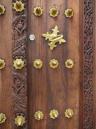
It was certainly effective, but not the best thing for employee morale. So impressed was he by the intricate wooden door the Indian carver had made for his palace that the ruling sultan promptly ordered the poor fellow’s hands be lopped off.
Thus, the sultan prevented the carver from replicating his work of art and was able to lay claim to having the grandest door in all of Zanzibar.
Whether the legend is true could not be confirmed. But Moses, our affable guide, said it was so.
—
These remarkable carved doors, each an individual work of art, are a symbol of Stone Town, a UNESCO World Heritage Site known for its narrow, labyrinthine alleyways, white sand beaches and intoxicating blend of Arabic and African culture.
The town, with buildings built of coral stone and lime, is on the brink of decay. Many of its beautiful doors are weathered and rotting, too.
The little money that exists for restoration comes from outside donors and organizations like the Aga Khan Trust for Culture, which is spending $2.2 million on a major restoration project in the heart of Stone Town.
Zanzibar’s doorways reveal a glimpse into its slave trade past

 Ismailimail
Those who come from or have visited Mombasa will notice a marked similarity between the detailed profile of the wooden jamatkhana doors at the Kuze Jamatkhana and those mentioned in this article…
LikeLike