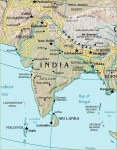
 Derived from the Persian khwajah, a term of honour, the word Khoja referred to those converted to Nizari Ismaili Islam in the Indian sub-continent from about the thirteenth century onward. More particularly, it included certain groups, predominantly from Gujarat and Kutch, who retained strong Indian ethnic roots and caste customs while sustaining their Muslim religious identity under continual threats of persecution. In the nineteen century, the Ismaili imamat (office of the imam) became established in India and a programme of consolidation and reorganisation of the community and its institutions began. These changes led to differences of opinion among Khojas. While the majority of Khojas remained Ismaili, one group became Ithna‘ ashari and a smaller group adopted Sunnism.
In the context of the overall policy of the Ismaili imam of the time, Aga Khan III, of consolidating the Shi‘a Ismaili identity of his followers, the ethnic connotation of being “Khoja” became diluted over time and a wider sense of self-identification as Ismaili Muslims began to emerge. With the increasing recognition of the diversity of the worldwide Ismaili community itself and the positive value of the pluralist heritage represented within each of the traditions, the Khojas now regard themselves as an integral part of the larger Nizari Ismaili community, to whose development they make a strong contribution.
The Khoja Ithna‘ asharis, while seeking to develop relationship with the larger Twelver Shi‘a community, retain their own organisational framework.
The Khojas live today in East Africa, the Indian sub-continent, Europe and North America, and show a strong commitment to values of Muslim philanthropy in their entrepreneurship and contribution to societies in which they live.

 Ismailimail
A very beautiful and precised history of khojas. Sir can I ask what caused the khojas to divide into three groups i.e sunni, ithna asheri and Ismaili.
LikeLike