Nizari Ismaili history is divided into: Early Ismailis, Fatimid (909-1171), Alamut (1090-1256), Post-Alamut (thirteenth to…
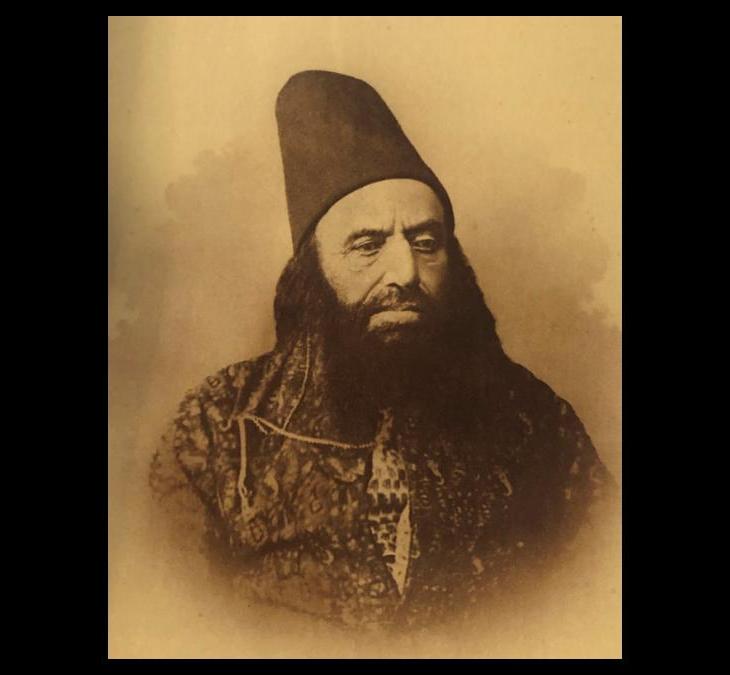
Nizari Ismaili history is divided into: Early Ismailis, Fatimid (909-1171), Alamut (1090-1256), Post-Alamut (thirteenth to…
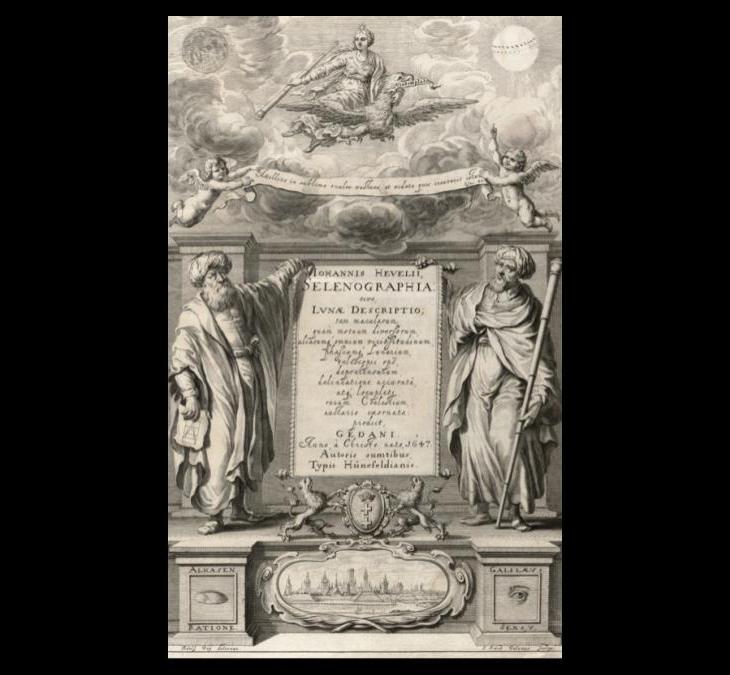
Abu Ali al-Hassan ibn al-Haytham (965-1039), a distinguished philosopher, physicist, and mathematician, was born in…
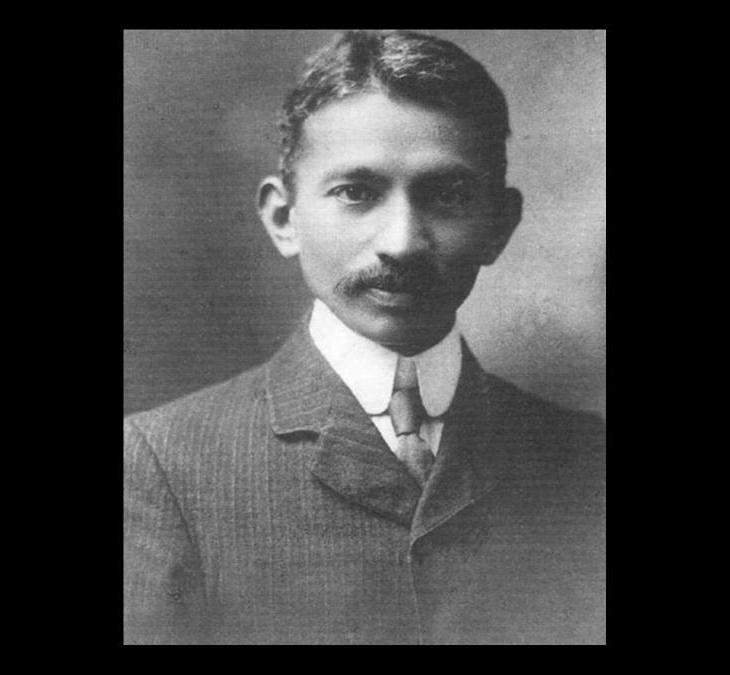
By Dr Mohamed Keshavjee In a thought-provoking presentation made in the presence of the Indian…

Continued from previous article https://ismailimail.blog/2024/06/18/fabricated-tales-based-on-fear-and-ignorance-instigated-hostility-towards-the-nizari-ismailis-1-2/ In 1256, Alamut collapsed under the onslaught of the Mongols,…
“From time immemorial, small and oppressed minorities have had to be given a bad name…

Indeed in the creation of the heavens and the earth, and in the alternation of…
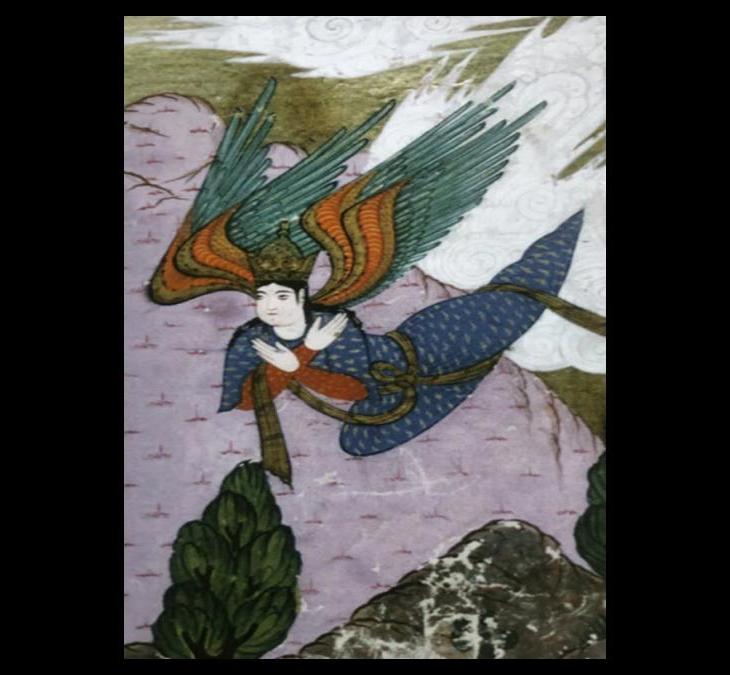
There is no benefit in recitation without contemplation;there is no benefit in worship without comprehension.Imam…

“God is the One who sends forth the winds to stir up the clouds; then…

…he [Ali ibn Abi Talib] was a prince to whom God gave much knowledge and…
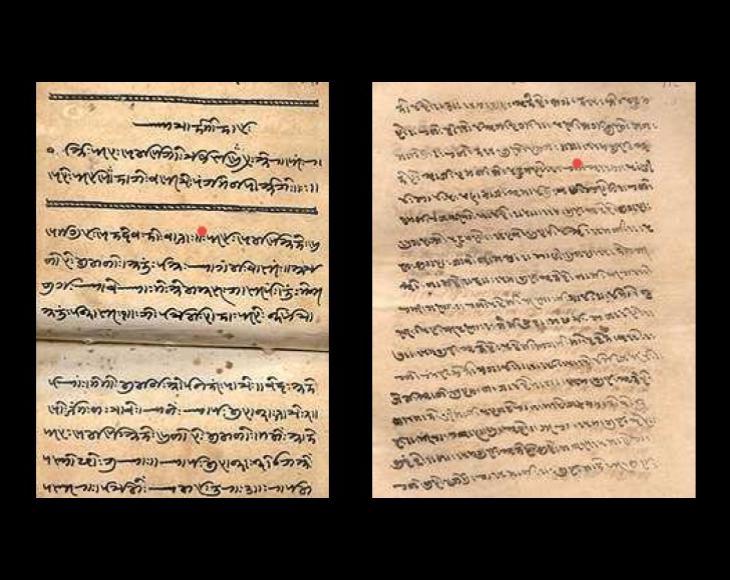
Ginans are a vast collection comprising several hundred poetic compositions which have been a central part…

Mark Nkwame, September 12, 2023 The number of Ismailis in Arusha has plummeted to just…
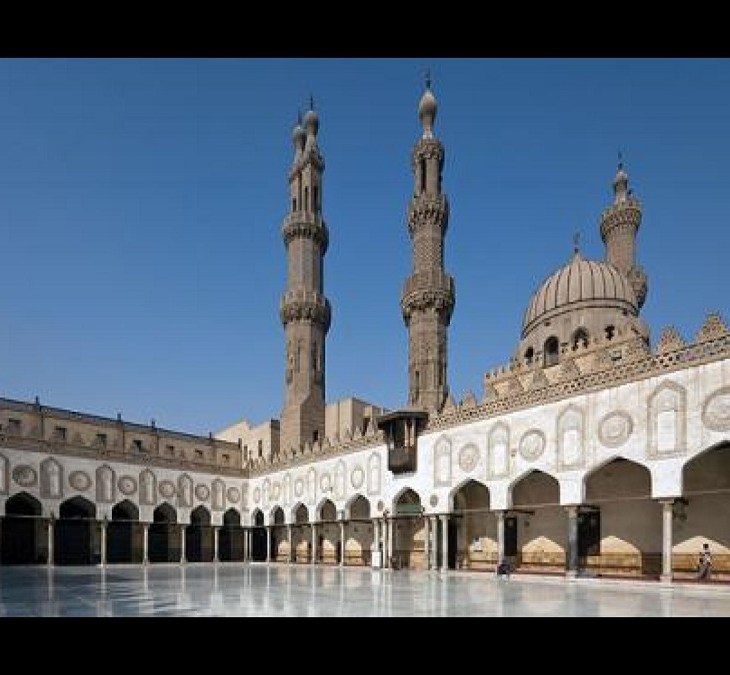
Derived from the Latin liber, meaning book, libraries, as rooms or buildings storing collections of…

Nasir Khusraw (1004- ca.1077) was born in Qobadiyan in the eastern Iranian province of Khurasan.…
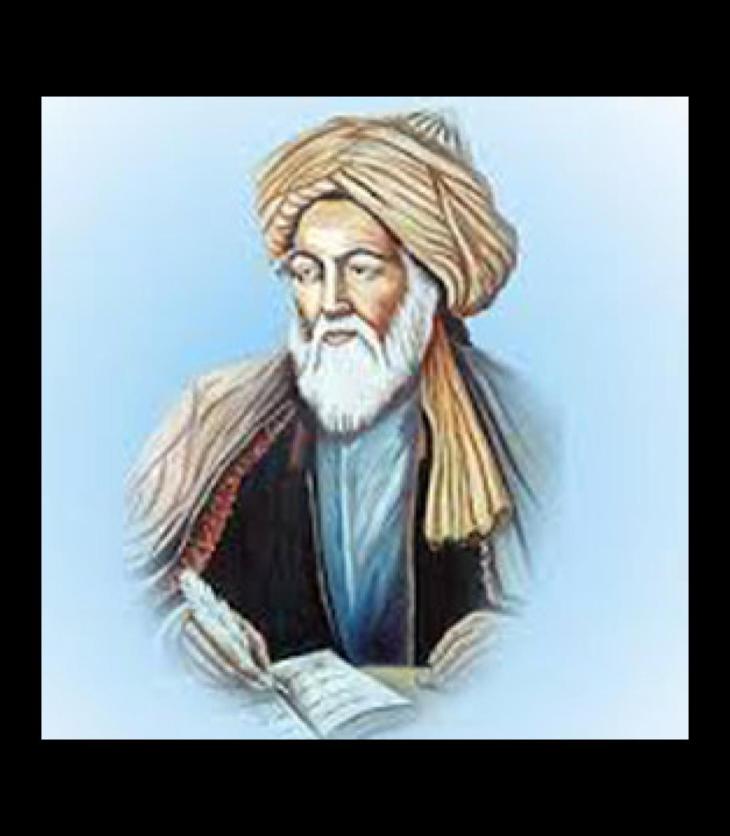
The term ‘pilgrim’ comes from the Latin peregrinus (per, through + ager, field, country, land),…
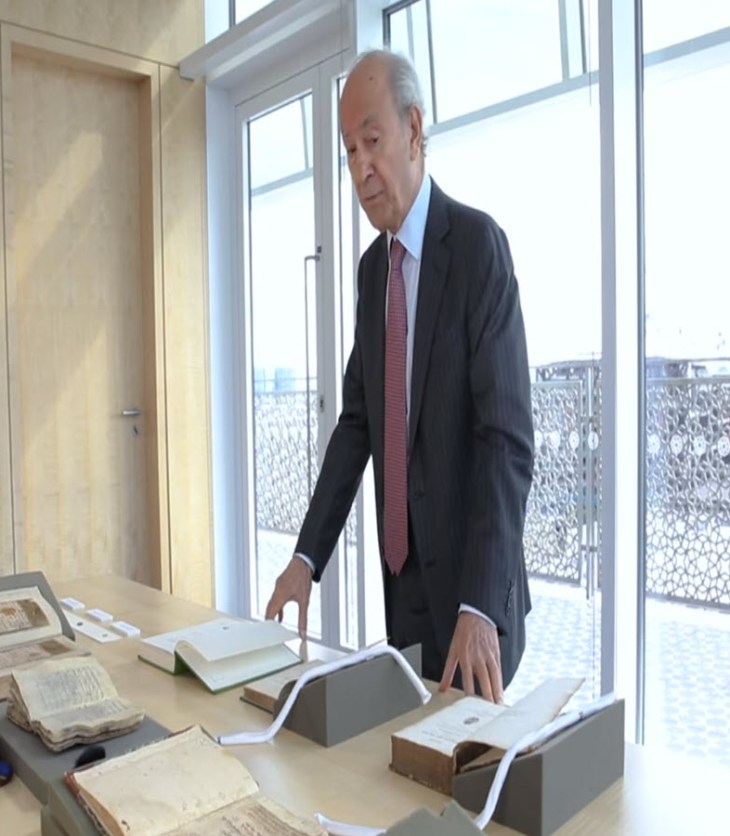
Professor Zayn Kassam succeeded Dr. Daftary as Director of The Institute of Ismaili Studies in…
 Ismailimail