On July 6, 1038 (Ramadan 429 A.H.) Al-Mu’ayyad al-Shirazi served a feast for a crowd in the courtyard of his house in Cairo.
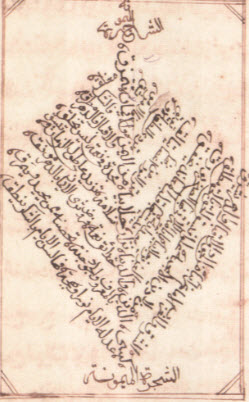
On July 6, 1038 (Ramadan 429 A.H.) Al-Mu’ayyad al-Shirazi served a feast for a crowd in the courtyard of his house in Cairo.
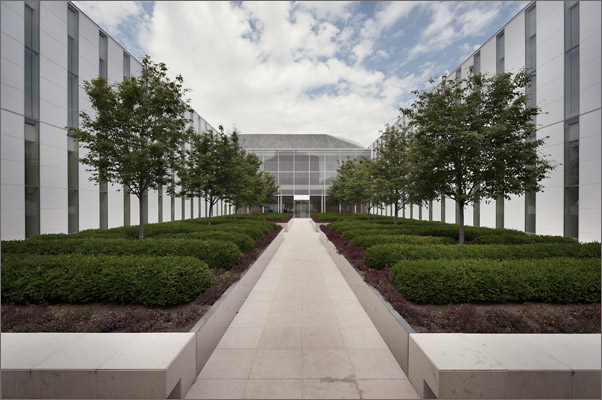
This talk by Professor Paul Walker describes several celebrations such as the Ashura, ‘Id al-Fitr, ‘Id al-Adha, ‘Id al-Ghadir…
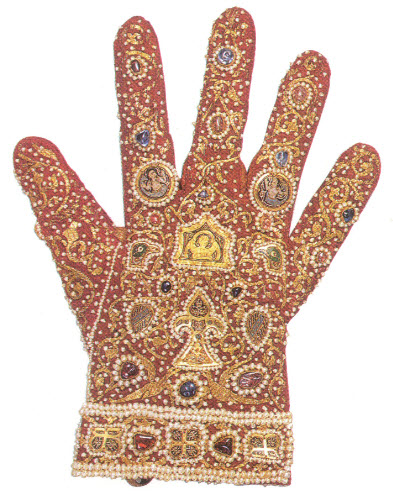
‘has long been cited as an important example of Fatimid inspiration’

Imam Mustansir bi’llah succeeded to the Imamat and the Fatimid caliphate in June 1036
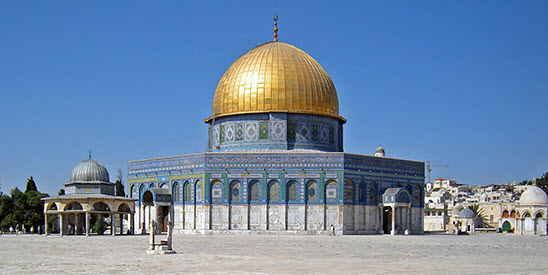
A further reconstruction [of Dome of the Rock ] was executed during the Fatimid period, in the eleventh century.

Ḵel’at or khil’at, meaning ‘robe of honour’ is an Arabic term to refer to gifts in general, but in particular to a robe of honour given by the ruler to a subordinate.

In addition to the pilgrimage to Mecca, visitations to the tombs (ziyarat) of great Muslim saints (awliya-i Allah) have formed an important aspect of religious life in various Islamic cultures
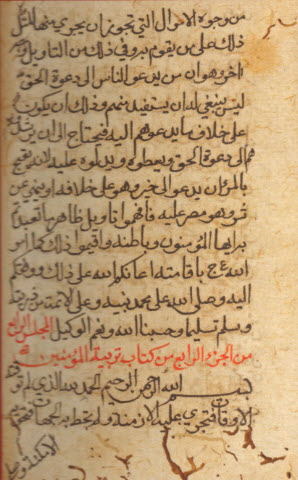
The teaching sessions related to the esoteric Ismaili doctrines, or hikma, were designated as majalis al-hikma, or “sessions of wisdom.”
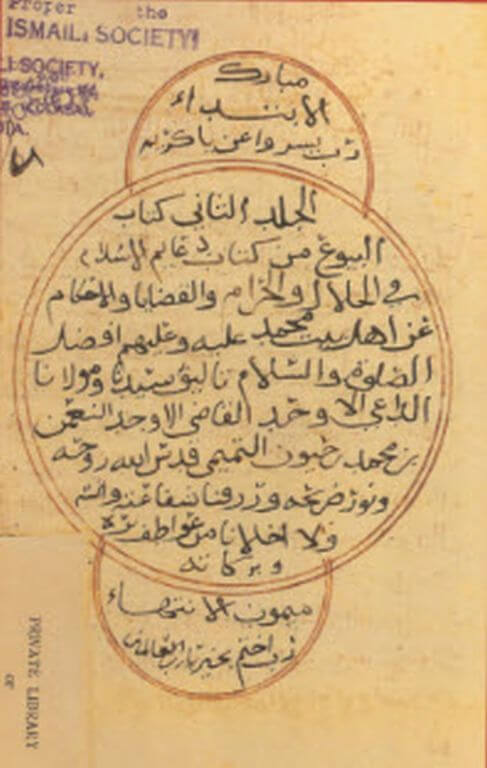
Qadi al-Nu‘man, passed away on March 27, 974 in Cairo
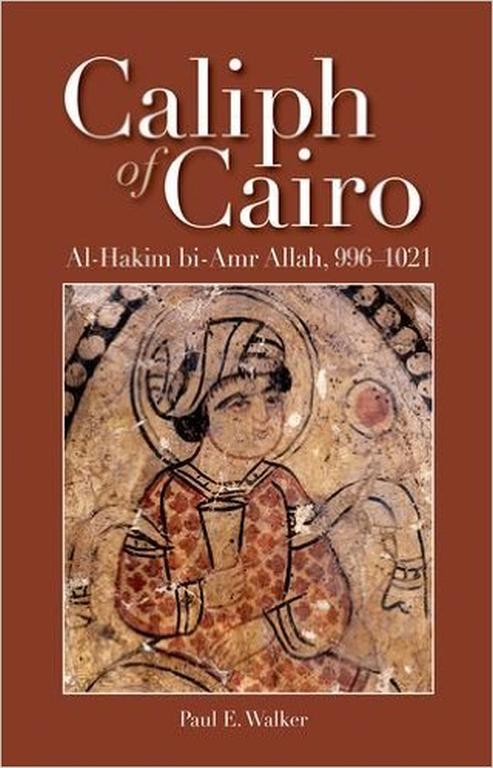
The Dar al-Ilm (House of Knowledge) was inaugurated on March 24, 1005
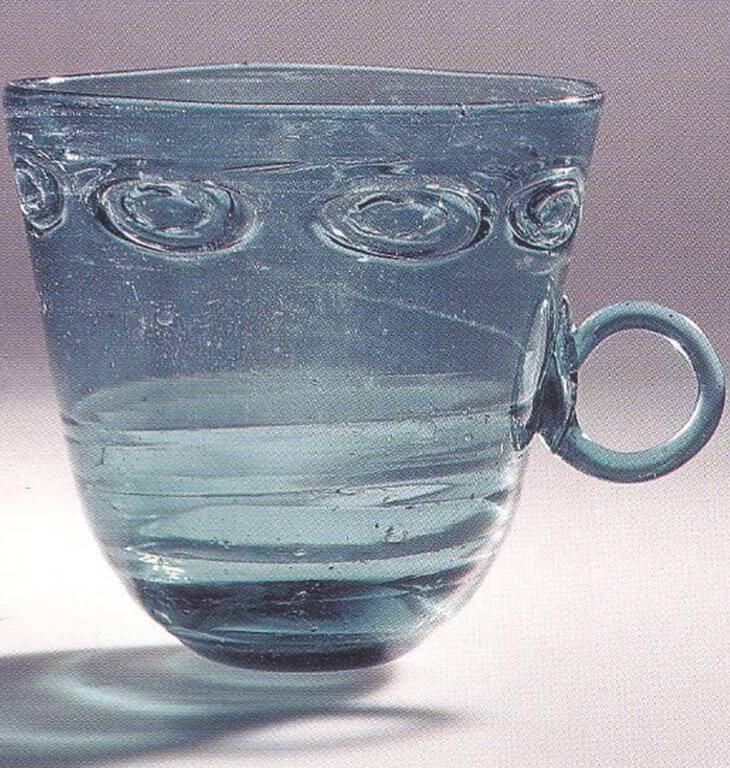
Named after the Prophet’s daughter, the reign of the Fatimid Caliph-Imams (909-1171) is often referred to as a ‘golden age’ in Ismaili history.

Named after the Prophet’s daughter, the Fatimids established their empire in 909 in North Africa.
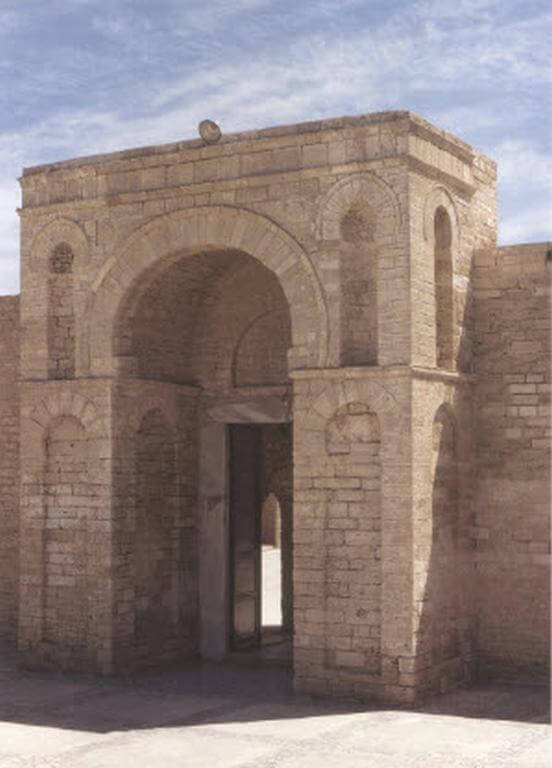
The city of Mahdiyya, founded by the Fatimid-Caliph Imam al-Mahdi, was inaugurated on February 20, 921.

Poetry has always been central to the spiritual life of Islam, particularly among the Sufis and other esoteric traditions of the faith.
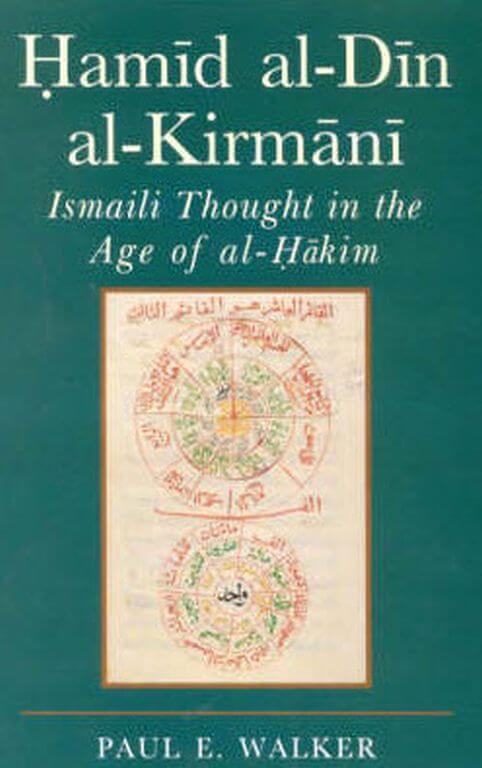
The Fatimid Caliph-Imam al-Hakim bi Amr Allah was succeeded to the Imamat by his sixteen-year old son, al-Zahir li-I’zaz Din Allah, on February 13, 1021
 Ismailimail