The term ‘pilgrim’ comes from the Latin peregrinus (per, through + ager, field, country, land), which can refer to foreigner, someone on a journey, or a temporary resident. Peregrinatio then, was the state of being or living abroad. ‘Pilgrimage’ is the individual’s journey sometimes as a general description of personal growth and exploration. Although the origin of pilgrimages is difficult to determine, visiting sacred sites is a practice that predates antiquity, blending the physical and the spiritual into a unified experience.
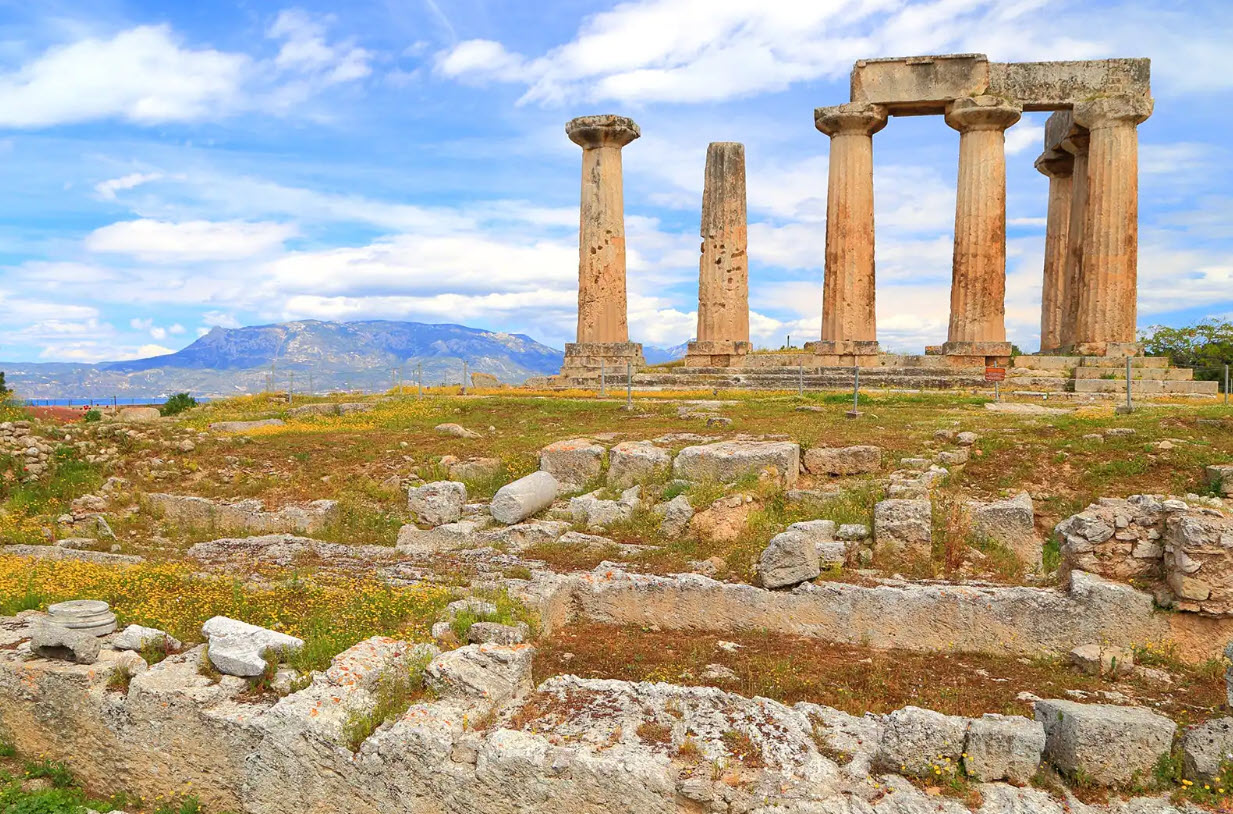
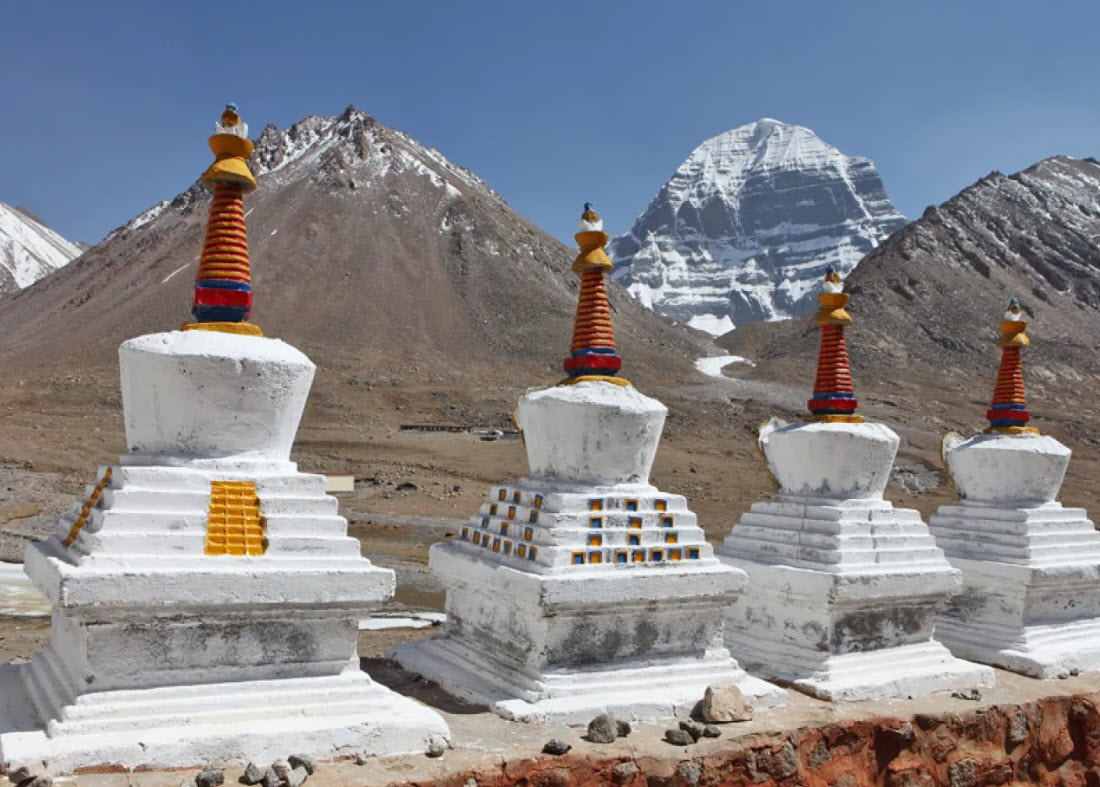
Pilgrimages have been a common feature of many cultures and world religions including Christianity, Judaism, Islam, Buddhism, Hinduism, and Shinto.
Peregrinus was also used in the Vulgate version of the Bible to translate the Hebrew gur (sojourner) and the Greek parepidemos (temporary resident). These terms upheld a central image of Christian life. “Christians were identified as temporary residents in this world whose true home was in heaven, and therefore, must live and behave day by day according to the standards of their homeland as they journeyed through life. As Christian pilgrimage to places considered especially holy developed in the fourth century, peregrinus took on a further sense within Christian thought, describing a traveller with a particular religious goal” (York University).
In Buddhism, early pilgrims were monks following the footsteps Gautama Buddha (founder of the faith in 6th century BCE). Pilgrims today journey in simple clothes similar to those worn by Buddha, travelling with a walking stick imitating the images that depict the Buddha’s travels (Encyclopedia Britannica). The Hindu pilgrimage is rooted in ancient scriptures, namely the Rigveda (c. 1500 BCE), in which the “wanderer” is praised (Encyclopedia Britannica).
In Islam, the hajj, an annual pilgrimage to Mecca, is performed during a specified time in the month of Dhul-hijja, the final month of the Muslim calendar. A pilgrimage completed at any other time of the year is called umrah.
Kaba
The Qur’an identifies the Kaba as the Sacred House built by Prophet Abraham for the worship of God (3:96). It also houses a Black Stone thought to be of miraculous origin. However, during Late Antiquity, it housed effigies of gods and goddesses that Arabs and others honoured during an annual pilgrimage.
The Prophet’s reform was to cleanse the sanctuary of pre-Islamic idols calling the people to worship One God. He re-established the Kaba as a monotheistic sanctuary, setting out rites for the hajj, which included circumambulation (Islam: An Illustrated Journey p 63).
During the hajj, all pilgrims are are to be in a purified state called ihram, by wearing a common dress, a simple white garment, underlying the equality of all Muslims before God. Pilgrims are required to avoid acts of violence to others or the environment, to practise abstinence by not displaying jewellery, grooming, shaving, and so on.
After walking around the Kaba seven times, pilgrims acknowledge the station of Abraham, then cross to the hills of Safa and Marwa, running between the two symbolising Hagar’s fervent prayers for water for herself and her son. Following prayer rituals, pilgrims ascend to the plains of Arafat, where the Prophet had delivered his final sermon, in which he had reminded Muslims of the “sanctity of human life, that they would be held accountable for their actions by God, that usury (riba) was an abomination, that they should honour covenants, and that women were to be respected and their God-given rights honoured” (Islam: An Illustrated Journey p 66).
The pilgrims then return to Mina where they participate in a ritual of stoning three pillars symbolising the repudiation of evil by Abraham who rejected all temptation put before him so that he might fulfill God’s will to sacrifice his son. The theme is continued in the preparation of the festival which marks a formal end of each person’s physical pilgrimage. The event is Eid al- Adha (Festival of Sacrifice) commemorating Abraham’s willingness to sacrifice his son and the miraculous replacement of his son with a lamb.
The rituals memorialise the ancient history of Kaba and its founding as a sacred sanctuary by Abraham and its restoration by Prophet Muhammad (Azim Nanji, Almanac p14-15)
The hajj is a recommended only if a person is able to make his/her way there (Qur’an 3:97), and pilgrims are honoured with the title ‘Hajji,’ but no-one is to be shamed for not being able to go.
Every year millions of pilgrims in many cultures travel to places with unique spiritual significance in hopes of experiencing elevation, transformation and attaining a new degree of wisdom.
Esoteric Pilgrimage
The term ‘pilgrimage’ can also refer to an inner spiritual journey through prayer, meditation or mystical experience. In some faiths and cultures, withdrawal from the everyday world into a monastery or hermit’s cell is seen as a way of setting the soul free to travel inwardly (York University).
In Sikhism, although Amritsar became the cultural and spiritual centre, the faith does not consider pilgrimage as an act of spiritual merit. “Guru Nanak [the founder of the faith] went to various places to reclaim the fallen people who had turned ritualists. He told them of the need to visit that temple of God, deep in the inner being of themselves. According to him: “He performs a pilgrimage who controls the five vices [ego, anger, lust, greed, worldly attachment]” (Mansukhani, Introduction to Sikhism, p 60).
Similarly, in the Ismaili Muslim tradition, emphasis is placed on the esoteric (batini) interpretation of an exoteric (zahiri) practice expounded by all ISmaili theologians including Nasir Khusraw, one of the foremost poets of the Persian language and a major contributor to Ismaili thought. Nasir devotes an entire chapter to the esoteric meaning of the physical pilgrimage.
Born in 1004 in Qubadiyan, a small town in eastern Iran, Nasir travelled to Cairo, the Fatimid capital, to study Ismaili doctrines with al-Mu’ayyad al-Shirazi, who was the chief da’i during the time of the Fatimid Imam-Caliph al-Mustansir bi’llah (r.1036-1094).

Named after the Prophet’s daughter, the Fatimids were Imams of the Shia Ismaili Muslims, who ruled in North Africa (909-972) and Egypt (973-1171). The Fatimid Caliph-Imam founded the city of Cairo to where he transferred the dynasty’s capital in 973. Cairo became a flourishing centre of scholarship, sciences, art, and culture in addition to playing a prominent role in international trade and commerce. The reign of the Fatimid Caliph-Imams is often referred to as a ‘golden age’ in Ismaili history.
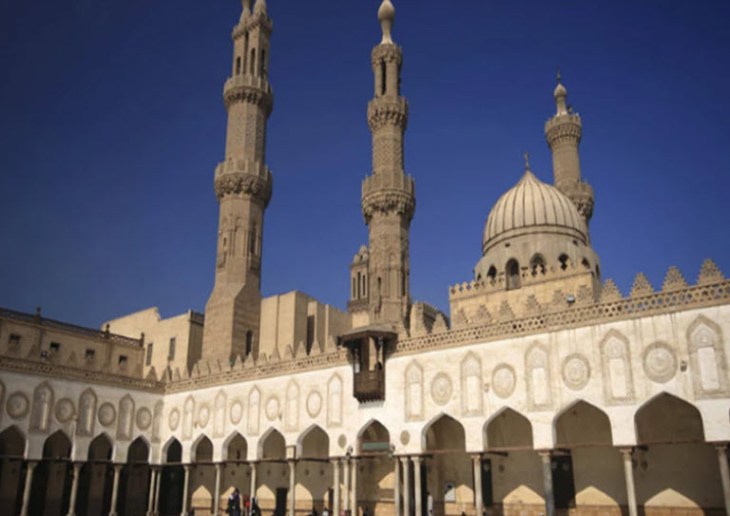
Hunsberger states that for Nasir, “the required acts must be performed, but they are not valid without a concomitant understanding of the inner meaning of each gesture” (Hunsberger, The Ruby of Badakhshan p 188). Without the accompanying batin, all visible acts are rendered null and void” (The Ruby of Badakhshan p 84).
“For Nasir, even the verb ‘to make the pilgrimage’ carries a deeper connotation than merely going to a particular physical place…; it is to go toward something thoughtfully, not rashly. It is to act with meditative deliberation and conscious thought, eschewing all haste and hurry in one’s deeds; to pursued goals with reason and not, like beasts of habit, with reckless passion” (Ibid. p 189).
The stations along the road to Mecca signify the stations of spiritual knowledge a pilgrim should acquire during the physical journey. For Nasir Khusraw, “a pilgrimage to a physical place in this world must bear a symbolic correspondence to the greater journey of the soul of faith… (Ibid. p 196).
Nasir teaches that whether in private acts, personal prayer or public displays of faith such as the pilgrimage, the believer must look deep within his or her soul to understand the esoteric meaning of such acts. “The believer must come to understand the relationship between the physical world and the spiritual world, the message of God brought by the Prophet Muhammad, and the inner meaning of this message conveyed by the Imam of the Time” (Ibid. p 223).
Sources:
Alice Hunsberger, Nasir Khusraw, The Ruby of Badakhshan, I.B. Tauris, London, 2000
Azim Nanji, “The Prophet, the Revelation and the Founding of Islam,” The Muslim Almanac, Gale Research Inc. Detroit 1996
Farhad Daftary, Zulfikar Hirji, Islam: An Illustrated Journey, Azimuth Editions, 2018
Wajh-i dīn, (The Face of Religion) Translated by Faquir M. Hunzai, Published in An Anthology of Ismaili Literature edited by Hermann Landolt, Samira Sheikh & Kutub Kassam, p 199
Contributed by Nimira Dewji, who also has her own blog – Nimirasblog – where she writes short articles on Ismaili history and Muslim civilisations. When not researching and writing, Nimira volunteers at a shelter for the unhoused, and at a women’s shelter. She can be reached at nimirasblog@gmail.com
 Ismailimail