When you live in a remote location, getting to a hospital or school can be difficult. Travel can involve dangerous roads, expensive transportation and long distances. That lack of infrastructure also limits your ability to access food – or to find markets for your crops and products. Many remote communities in developing countries don’t have access to phones or internet – or to reliable sources of electricity – compounding their isolation.
Connecting remote communities with the tools for better health, education and food security saves time, money—and lives.
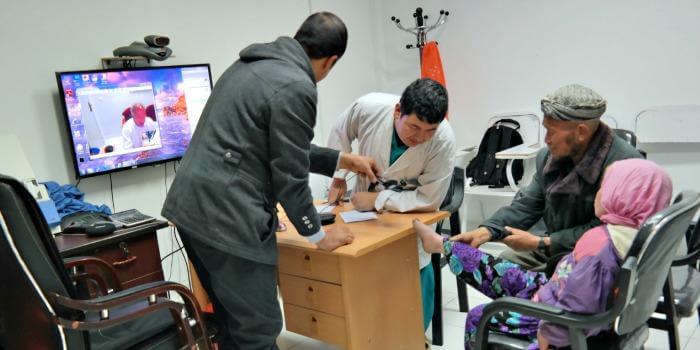
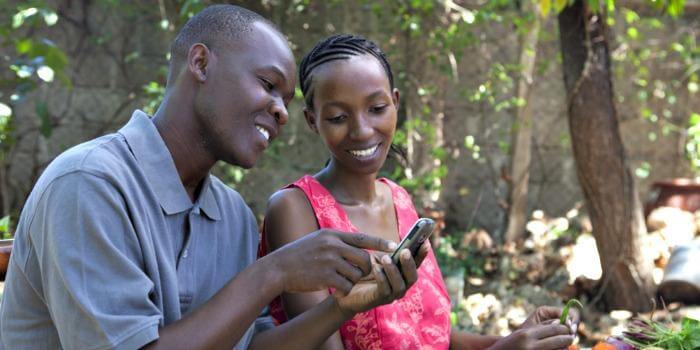
In Afghanistan, telemedicine helps doctors diagnose patients in remote parts of the country. Afghanistan experiences some of the highest maternal and child mortality rates in the world. Thanks to a telemedicine program supported by AKFC, families in Bamyan now have access to health professionals when they need it.In Tanzania, community nurses use text messaging to share advice and information about pregnancy, baby care, birth planning, nutrition, and early childhood development with new and expecting parents. The texts also remind parents about upcoming appointments, giving them a sense of support during the early days of a child’s life.
Independent, civil society media featuring Ismaili Muslim community, inter and intra faith endeavors, achievements and humanitarian works.
View all posts by ismailimail

 Ismailimail