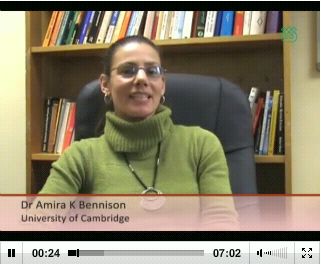
This talk investigates how different cities shaped the environment in which Muslims lived and responded to their religious and social needs. It argues that, contrary to the Orientalist stereotype of an irrational, incomprehensible and aesthetically displeasing Islamic city, urban life could display coherent, well-thought out and often pleasing surroundings for the umma, which varied with time and location.

 Ismailimail