The medicine of medieval Islamic civilisations was derived primarily from Greek knowledge

The medicine of medieval Islamic civilisations was derived primarily from Greek knowledge
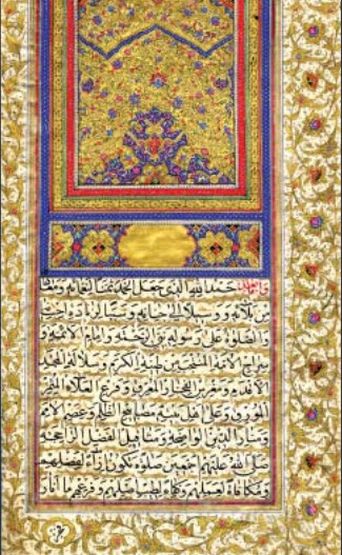
Hazrat Ali b, the first Imam of the Shia through whom the progeny of Imamat is traced,…

Ḵel’at or khil’at, meaning ‘robe of honour’ is an Arabic term to refer to gifts in general, but in particular to a robe of honour given by the ruler to a subordinate.
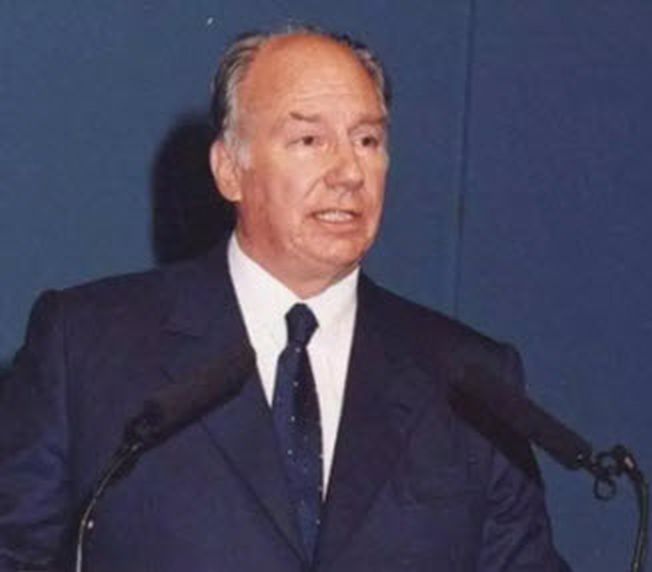
“The problem of providing shelter for the homeless is a global problem…

In addition to the pilgrimage to Mecca, visitations to the tombs (ziyarat) of great Muslim saints (awliya-i Allah) have formed an important aspect of religious life in various Islamic cultures
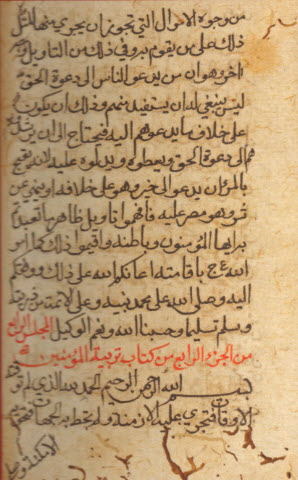
The teaching sessions related to the esoteric Ismaili doctrines, or hikma, were designated as majalis al-hikma, or “sessions of wisdom.”
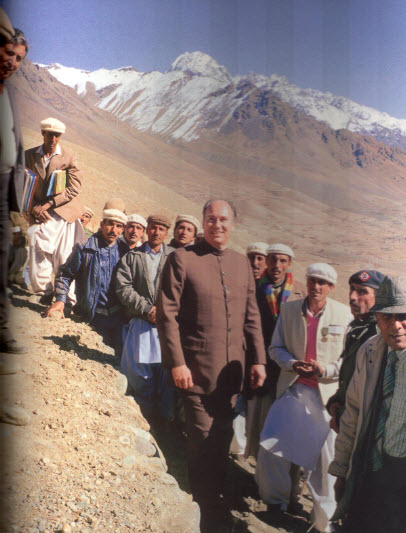
“Rural people have to be shown that they and their children have a future on the land and from the land….
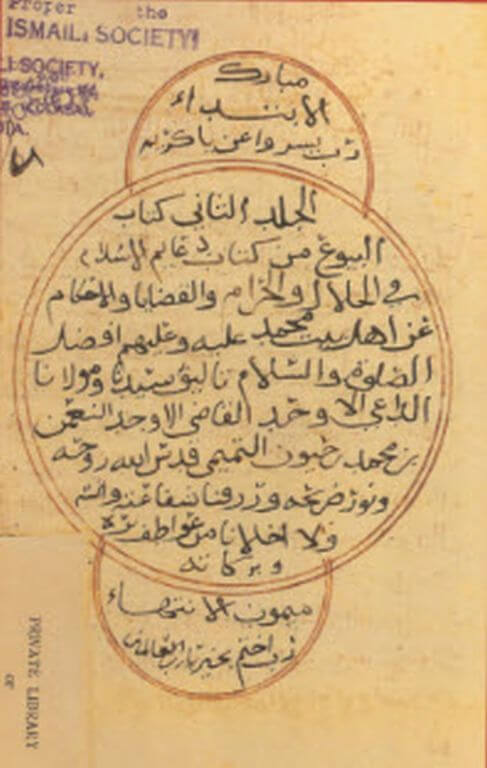
Qadi al-Nu‘man, passed away on March 27, 974 in Cairo
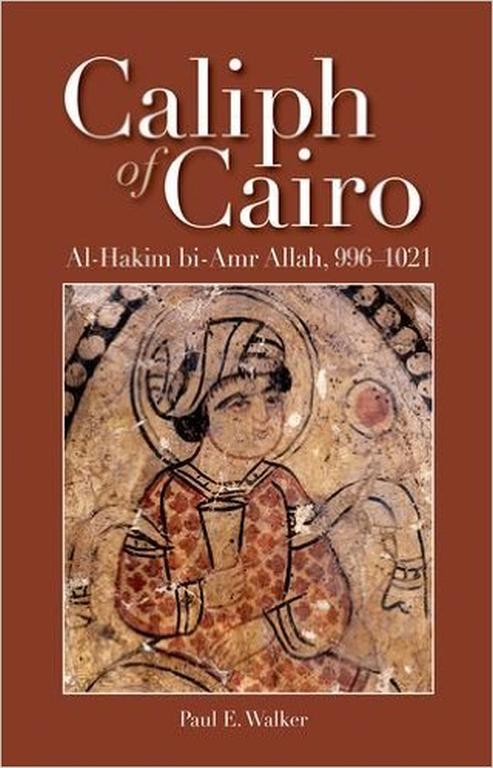
The Dar al-Ilm (House of Knowledge) was inaugurated on March 24, 1005

Agate beads and fine moulded wares from Andej.

Peter Willey (d. 2009) was the world authority on the Ismaili castles of Iran and Syria.
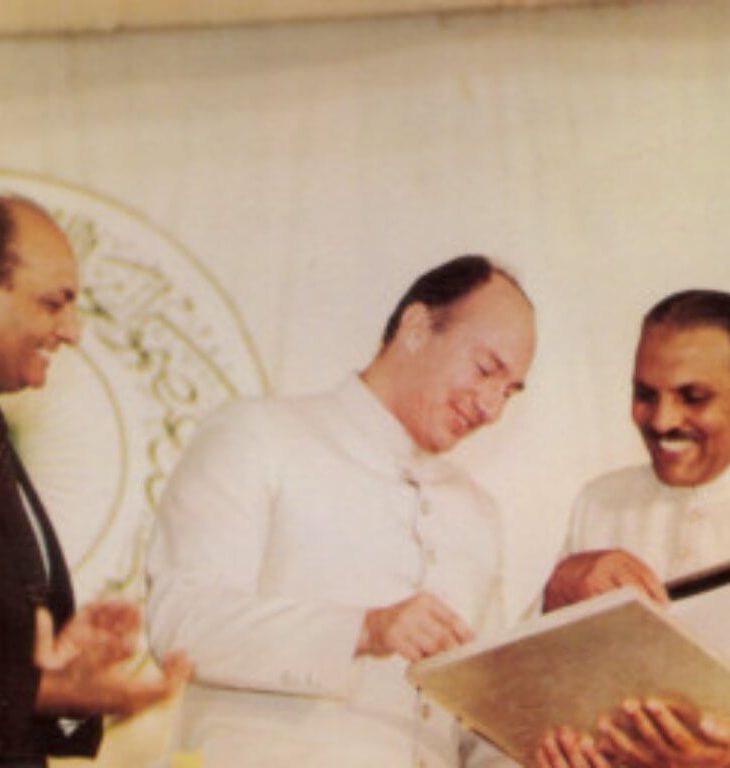
March 16, 1983, the Aga Khan Medical College received its Charter
The first commemoration ceremony took place March 10, 1946 in Nairobi, Kenya
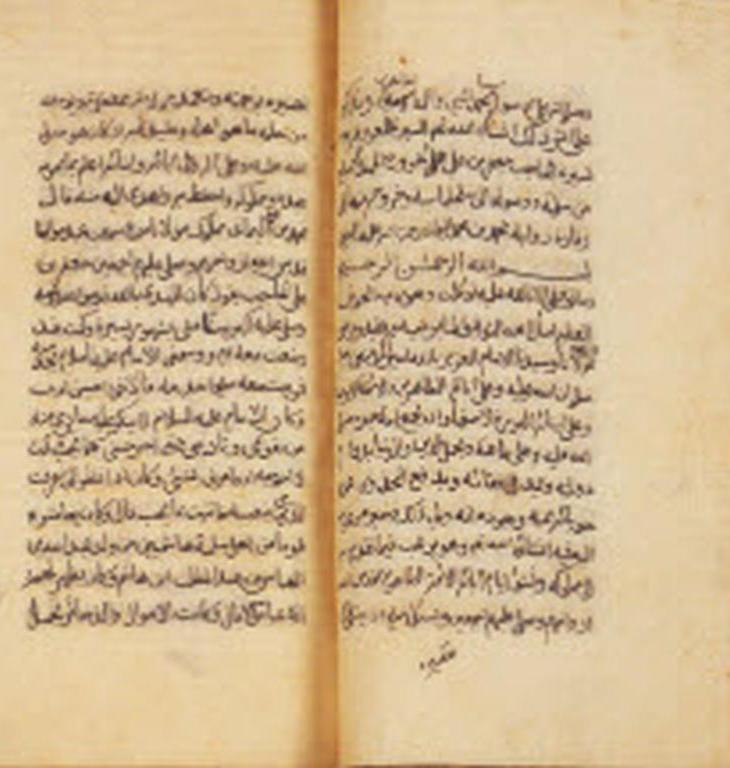
The second period of concealment occurred after the Nizari-Mustali schism of 1094

Nasir Khusraw left his job and set out for a pilgrimage to Mecca on March 5, 1046
 Ismailimail