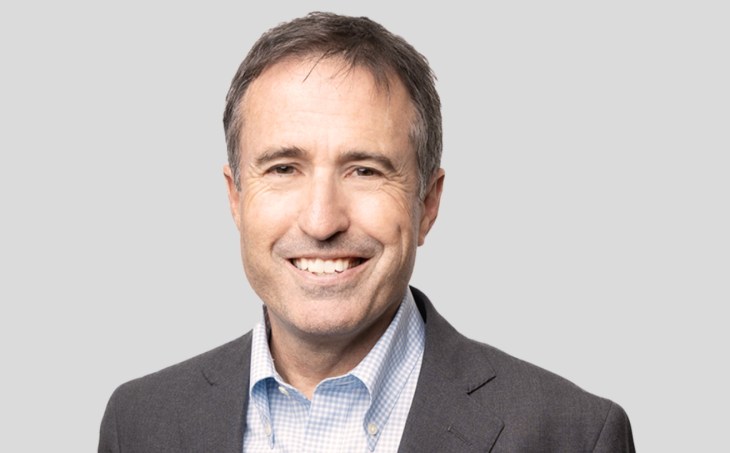
John Stackhouse, a nationally bestselling author and one of Canada’s leading voices on innovation, economic disruption, and global affairs, brings a unique perspective to his analysis of Aga Khan IV’s legacy. Currently serving as Senior Vice-President in the Office of the CEO at the Royal Bank of Canada, Stackhouse leads research and thought leadership on economic, technological, and social change. Formerly the editor-in-chief of The Globe and Mail, he has also authored influential works such as Planet Canada: How Our Expats Are Shaping the Future. His deep understanding of global issues and his ability to distill complex ideas into accessible narratives make him an authoritative voice in contemporary discourse.
In his reflection on Aga Khan IV, Stackhouse masterfully outlines the late leader’s profound contributions to global development, community building, and pluralism. Below is a summary of the key points from his analysis:
- A Visionary for Social Structures: Aga Khan IV emphasized the importance of social structures in shaping political, economic, and community landscapes. His development initiatives, from irrigation systems in Pakistan to health clinics in Afghanistan, exemplified his belief in community engagement as a cornerstone of progress.
- A Leader Rooted in Tradition and Modernity: Balancing respect for tradition with forward-thinking pragmatism, Aga Khan IV navigated the complexities of a globalized world. His leadership was marked by a commitment to preserving cultural heritage while embracing innovation.
- Champion of Pluralism: Recognizing Canada’s inclusive model as a global example, he established the Global Centre for Pluralism in Ottawa. His efforts underscored the importance of legal rights, social protections, and community support in fostering harmonious societies.
- Advocate for Education and Development: From basic education to post-secondary institutions, Aga Khan IV prioritized learning as a pathway to empowerment. His vision extended to reforming education systems to meet the demands of the 21st century.
- Builder of Community Spaces: Parks and public spaces were central to his philosophy of social cohesion. His investments in urban parks in Cairo, Karachi, and New Delhi highlighted his belief in their role as catalysts for peaceful coexistence.
- A Global Perspective on Leadership: Aga Khan IV’s pragmatic idealism and nuanced understanding of global challenges made him a respected figure among world leaders. His insights into governance, poverty reduction, and international development remain relevant today.
The Aga Khan is believed to be a direct descendent of the Prophet Muhammad, and oversees a sect that sees no contradiction between spiritual and material well-being. Indeed, he saw them as co-dependent. No development, no wealth. No wealth, no development
john stackhouse, former editor-in-chief of the Globe and Mail
John Stackhouse’s thoughtful analysis not only celebrates Aga Khan IV’s legacy but also invites readers to reflect on the enduring impact of visionary leadership in a rapidly changing world.
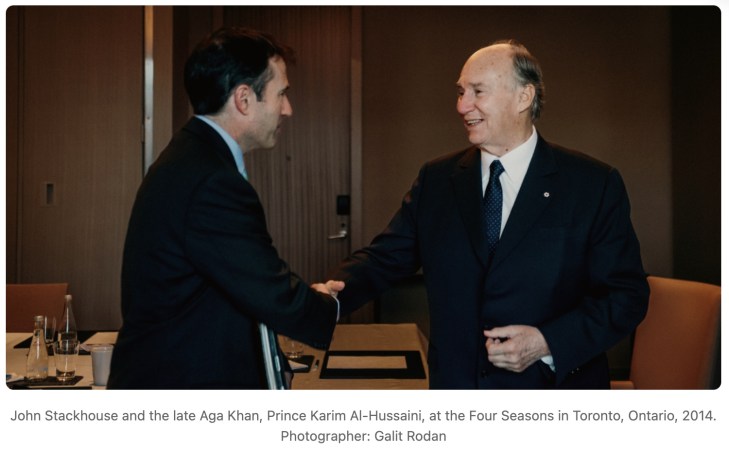
Click here to read (published Feb 10, 2025) https://www.linkedin.com/pulse/remembering-aga-khan-legacy-leadership-community-john-stackhouse-zrn7c
Previously March 1, 2014: Interview with His Highness the Aga Khan, by The Globe and Mail’s Editor-in-Chief John Stackhouse

 Ismailimail