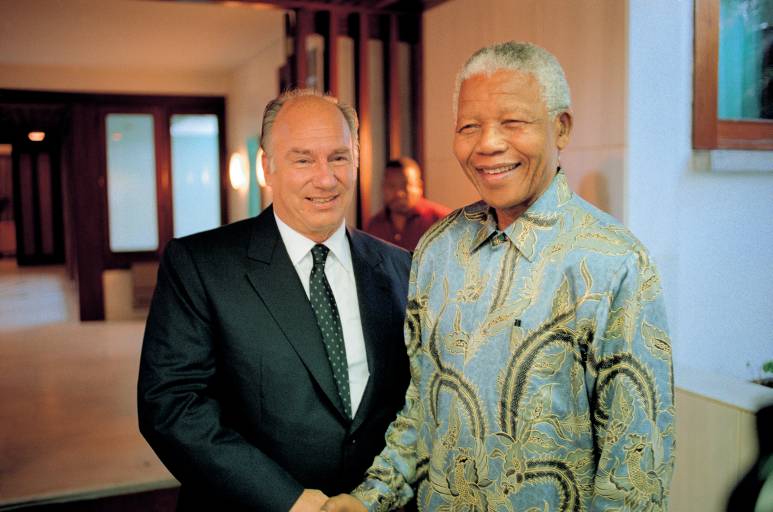
Source: Diplomatic Courier, by Ana C. Rold
In a 1993 article titled “The Clash of Civilizations” Samuel P. Huntington argued that in the post-Cold War world, Islamic extremism would become the biggest threat to world peace. The essay has become sort of a self-fulfilling prophecy. All you need to do to validate it is to turn on the internet or wherever you get your 24/7 “news”. Famously, the journal that published the essay also published a series of other essays sparking the debate: are we or are we not in the midst of a Clash?
Why bring up Huntington today? If you want to look for how the Clash is affecting worldviews you need not look further than President Trump’s speech in Poland last week. “The fundamental question of our time is whether the West has the will to survive,” he said. “Do we have the desire and the courage to preserve our civilization in the face of those who would subvert and destroy it?” If you read and watch the news with the same round-the-clock voracity that most of us do, it’s easy to see that public perception is divided: those who believe the West is in imminent danger from this Clash and those who believe in dialogue.
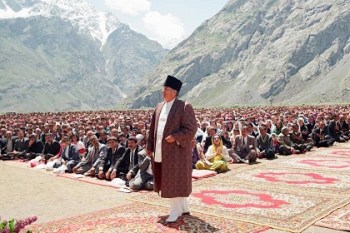
As His Highness, the Aga Khan celebrates a Diamond Jubilee today—60th year as the 49th hereditary Imam (spiritual leader) of the world’s Shia Ismaili Muslims—we are reminded that interfaith bridges of understanding are not the kind of stories that you hear about every day. Indeed, the 24/7 news cycle is not built to tell “soft news.” But if you fall into the camp of those who seek a world of bridges, you should know about the man who has been building them since he was a 21-year-old.
Read more – Dated: July 11, 2017
Ana C. Rold is Founder and CEO of Diplomatic Courier. She teaches political science courses at Northeastern University and is the Host of The World in 2050–A Forum About Our Future.
Earlier


 Ismailimail