 In the last decade, the upheavals of the Arab Spring, the U.S.-led invasions of Iraq and Afghanistan, and the rise of religious extremist groups in many parts of the world have redrawn the development map.
In response, international donors have poured money into countries upended by these forces, where they hope it can contribute to stability and international security.
The Aga Khan Foundation — one of the Aga Khan Development Network’s 10 “sister agencies” — was present in many of these places well before foreign aid agencies began to consider “countering violent extremism” central to their strategies. Many of AKF’s programs, which range across 16 countries, are in tough neighborhoods. The foundation, founded in 1967, began its work in northern Pakistan. It’s largest program today is in Afghanistan.
Violent extremist groups such as Boko Haram in West Africa, al-Shabab in East Africa, al-Qaida and the so-called Islamic State groups in parts of the Middle East threaten state security and development progress in the countries where they continue to operate.
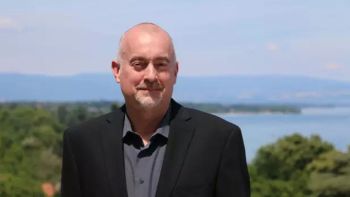
Devex caught up with Michael Kocher, AKF’s general manager, in Naryn, Kyrgyzstan, at the inauguration of the University of Central Asia, another Aga Khan initiative. UCA is an international, secular university, chartered by the governments of Kyrgyzstan, Tajikistan and Kazakhstan, and by the Aga Khan. It aims to build a world class educational institution dedicated to mountain development with campuses in each of the three cities.
We asked Kocher what it takes to manage a development organization with a long-term stake in a complex region — where security, politics, and international attention can change quickly.
Read more at the source: devex.com | Devex
Related
- Aga Khan Foundation Launches in Australia
- The Aga Khan Foundation’s long-term view – Interview with Michael Kocher, AKF’s General Manager | Devex
- Breaking the Cycle of Poverty: The role and impact of Aga Khan Foundation around the world
- Aga Khan Foundation’s General Manager, Michael Kocher to speak at the Ismaili Centre | The Ismaili

 Ismailimail