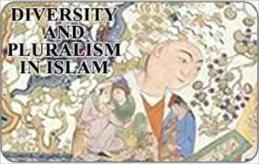
 Moin Qazi – The Kashmir Monitor – 11 September 2015
Islamic literature is full of injunctions about the centrality of an education based on ethics and proper ends. Individual responsibility, when it comes to communicating, learning and teaching is central to the Islamic message. Muslims are expected to be “witnesses to their message before people”, which means speaking in a decent way, preventing cheating and corruption, and respecting the environment. Integrity in politics and the rejection of usurious speculation in economics are principles that are pushing Muslim citizens and scholars to explore new avenues that bring public life and interpersonal ethics together.
More broadly, the Muslim presence should be perceived as positive, too. It is not undermining the Greco-Roman and Judeo-Christian ethical and cultural roots of Europe. Neither is it introducing dogmatism into the debate, as if spiritual and religious traditions automatically draw on authoritarian sources. They can operate within both the limits of the law and in the open public sphere.
Read more at the Source: ISLAM’S LEGACY OF PLURALISM

 Ismailimail