
The building design and materials are reminiscent of the Great Mosque of Cordoba using grey brick placed in strips as accents along the facades.
The main floor of the Jamatkhana will consist of the prayer hall and the ante room, social hall and library.
The second floor will include administrative offices and boardrooms.
The third floor will include a number of classrooms for the educational component of the Jamatkhana.
The prayer hall has been located to ensure that its orientation is facing towards Mecca, in accordance with religious tradition.
– extract from the development plan submission
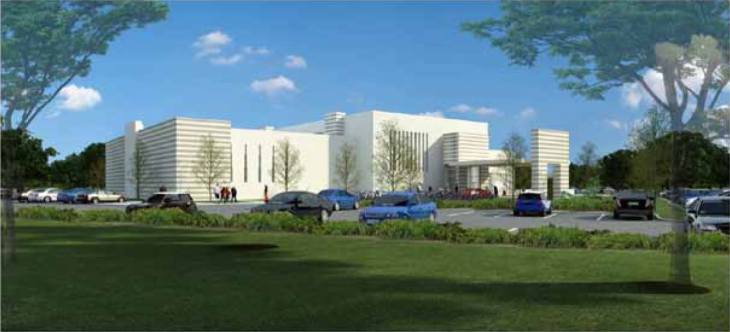


All images courtesy of Al-Karim Walli – see more pictures on his Facebook page
One of the ways in which Ismailis have expressed their identity wherever they have lived is through their places of prayer, known today as the Jamatkhana. Other Muslim communities give their religious buildings different names: from ribat and zawiyya to khanaqa. And, in addition, there are other places where Muslims of all interpretations can come together, such as non-denominational mosques.

 Ismailimail